Overview
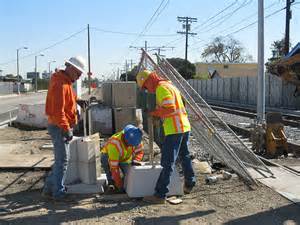 An experience modification (EMR or mod) is an insurance metric that adjusts workers' compensation premiums to reflect a company's past claims history. It rewards lower-than-expected losses with a credit and penalizes poor loss experience with a debit. While cost matters, safety-focused employers also track claim frequency to understand how often injuries occur, not just how much each claim costs.
Key takeaways
- Experience modifications affect premiums but can mask whether incidents are frequent or severe.
- Tracking claim frequency gives a clearer view of workplace safety trends than cost alone.
- Return-to-work programs and active loss control lower both frequency and overall cost.
How it works
The experience modification is calculated by an insurer or rating bureau using your payroll, expected losses for your industry, and your actual claims over a set period. A ratio greater than 1.0 typically increases premiums; less than 1.0 reduces them.
Frequency (how often injuries occur) and severity (how costly each injury is) both influence the mod, but frequency often signals systemic safety issues. Employers should prioritize controls that reduce incident counts, such as training, housekeeping, and safe lifting procedures.
If you operate in specialized trades, consult industry-specific resources; for example, see Non-Standard Specialty Trade Contractors Workers Compensation for program options tailored to unique exposure profiles.
What it may cover (and what it may not)
Workers' compensation insurance generally covers medical treatment, wage replacement for time away from work, and rehabilitation for employees injured on the job. The experience modification reflects the claims that fall under that coverage.
The mod does not reflect non-work injuries, property damage, or liability claims outside workers' compensation. It also won't directly measure near-miss events unless those lead to a recorded claim.
Common mistakes to avoid
Waiting to report or investigate small claims can allow preventable hazards to persist and lead to more frequent or severe incidents later. Prompt reporting ensures proper care and helps identify trends early.
Failing to offer light-duty or modified work prolongs time away and increases claim costs. Implementing a return-to-work program can reduce lost-time days and help keep your experience modification lower.
Relying only on costs to judge safety is risky; a single expensive claim can skew perceptions while frequent minor injuries indicate ongoing hazards that need correction.
Questions to ask an agent
How is my experience modification calculated and which claims are impacting it the most?
What loss control services or safety programs can my carrier provide to reduce claim frequency?
Do you offer return-to-work program support or case management to help injured employees get back to productive duty sooner?
Next steps
Start by collecting basic data: number of claims, days away from work, and the types of incidents (slips, falls, strains). Use that information to target the highest-frequency causes with training and controls.
Review industry-specific program options to ensure your coverage and loss-control resources align with your operations; a helpful starting resource is Lawn Care Light Construction Inland Marine Insurance.
If you want help comparing quotes or discussing coverage changes, ask your agent to review your experience modification and recommend steps to reduce both frequency and cost.
Frequently Asked Questions
How does claim frequency affect my insurance premium?
Higher claim frequency usually increases your experience modification, which raises premiums; reducing incident counts is an effective way to control costs over time.
Can a single large claim ruin my experience modification?
A single severe claim can influence your mod, but many rating systems weight frequency and severity differently, so consistent frequency is often a larger long-term driver.
What are simple steps to lower claim frequency?
Prioritize hazard controls like housekeeping, ladder safety, proper lifting techniques, training, and prompt incident investigation to prevent repeat events.
Should I accept light duty for injured workers?
Offering light-duty options helps injured workers return sooner, reduces wage replacement costs, and can improve your experience modification over time.