Overview
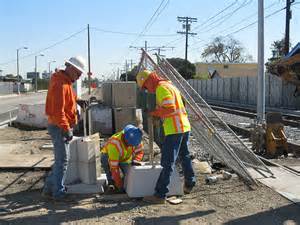 An experience modification (sometimes called an experience modifier or mod) is a numeric factor insurers use to compare a business’s workers’ compensation claims history to that of similar employers.
A mod below 1.0 generally reduces premium costs, while a mod above 1.0 increases them. Beyond premium effects, the mod can help employers see whether they have a higher rate of injuries or more costly claims than peers.
Key takeaways
- Experience modification reflects a business’s claims record relative to peers and affects workers’ compensation premiums.
- Claim frequency is a stronger safety signal than claim cost alone; focusing on prevention reduces both frequency and costs.
- Simple steps—ladder safety, spill control, proper lifting techniques, and return-to-work options—cut injuries and improve morale.
- Insurers and industry resources can help with loss control programs and training.
How it works
Experience mods are calculated using a formula that compares an employer’s claim history and payroll to industry averages.
The formula weights both the number of claims and their costs, but small, frequent claims can indicate systemic safety problems even if each claim is inexpensive.
Because the mod blends frequency and severity, employers should track both metrics. Reviewing near-misses, minor injuries, and trends by task or crew is essential to finding root causes and preventing more serious incidents.
For guidance on site-specific exposures and liability considerations, see Construction Site Accidents and Liability Insurance. Employers with an elevated modifier can also review options at High Mod Workers' Compensation.
What it may cover (and what it may not)
Workers’ compensation policies typically cover medical treatment, reasonable and necessary care, and some portion of lost wages for work-related injuries and occupational illnesses.
They also provide certain employer liability protections subject to state law. Workers’ comp does not usually cover non-work injuries, injuries from willful misconduct, or unrelated personal activities.
Long-term disability, general liability for defective products, and punitive damages are outside standard workers’ comp coverage unless specifically listed in a policy.
Common mistakes to avoid
Relying only on claim cost and ignoring frequent minor claims is a common mistake; minor injuries often foreshadow larger problems.
Failing to document incident investigations and not offering modified duty options can prolong lost-time claims and raise a mod. Another frequent error is missing opportunities to use carrier loss-control services; insurers and third-party vendors can provide training, job hazard analyses, and return-to-work program templates that reduce frequency and severity.
Questions to ask an agent
Ask how your current experience mod is calculated and which specific claims most affected it. If your mod is unusually high, review options at High X-Mod Workers' Compensation.
Request a loss-run report and ask the agent to help interpret trends by claim type, location, or crew. Ask about practical loss control services and training the carrier can provide, and whether they will help implement a return-to-work program.
For broader risk-management topics, consider resources like Construction and Maritime Risk: Safety, Leadership, and Cybersecurity and Construction Defects, Workforce Evolution, and Site Safety. If you want a simple next step, review your loss runs with your broker or talk to an agent who can recommend targeted prevention strategies and pricing options.
Next steps
Collect and review your last three years of loss runs, focusing on the frequency and causes of claims. Use the data to prioritize controls for the most common incidents—slips, falls, strains, and lifting injuries.
Implement basic prevention measures: enforce ladder and fall-protection procedures, require housekeeping to control spills, set lift limits or require team lifts, and train crews in ergonomic handling. Track near-misses and investigate root causes promptly.
Work with your insurer or risk advisor to develop a return-to-work program that offers modified duties and early communication with injured workers; these steps often reduce lost time and improve morale while lowering the experience mod over time.