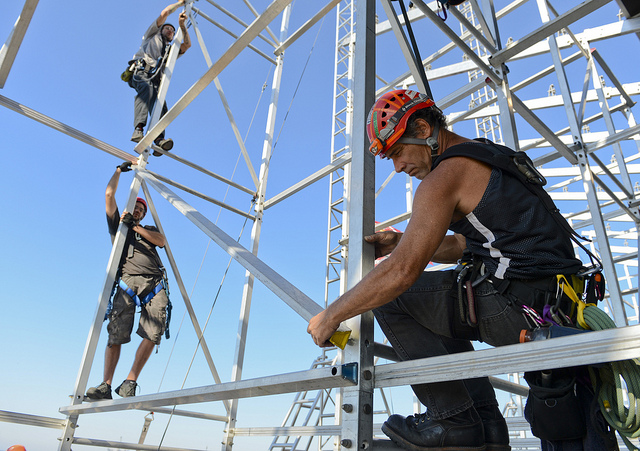
 The construction industry has seen renewed activity, and with growth comes increased risk if firms don't reinforce safety and leadership. Effective training for supervisors and consistent safety policies reduce injuries, protect workers, and limit financial exposure for contractors and insurers.
Overview
Construction work is inherently hazardous, and a shortage of experienced personnel can amplify risks when less-experienced workers take on supervisory roles. Firms that prioritize safety leadership, clear procedures, and ongoing training are better positioned to prevent incidents and control long-term costs.
For firms evaluating coverages and training priorities, Oil and Gas Industry Insurance and other industry-specific resources can help match operational needs with insurance solutions such as specialized equipment protection and liability controls.
Key takeaways
- Leadership and supervisor training are critical to maintaining a safe jobsite.
- Rising industry activity without experienced staff can increase incident rates.
- Proactive safety programs protect workers and help control insurance costs.
How it works
Safety performance is driven by management commitment, consistent enforcement of rules, and clear communication of hazards and expectations. Regular toolbox talks, formal training, and on-the-job mentoring help translate safety policy into daily practice.
Insurance products complement safety programs by addressing financial losses from accidents, damage to equipment, and third-party claims; reviewing equipment and operational exposures is an important step in choosing appropriate coverage such as Construction Machinery Insurance. For a different sector perspective, see Glass Industry Insurance.
What it may cover (and what it may not)
Typical protections related to construction safety include general liability, workers' compensation, and property or equipment coverage that address medical costs, legal defense, and repair or replacement of machinery.
Insurance does not substitute for a safe work environment; carriers may limit or deny coverage when negligent practices or inadequate training are evident, and some operational losses may fall outside standard policies without supplemental endorsements.
Common mistakes to avoid
Common pitfalls include promoting untrained workers into supervisory roles, inconsistent enforcement of safety rules, and failing to document training and incident investigations. These gaps increase both the likelihood of incidents and potential insurance complications.
Another mistake is overlooking equipment-specific exposures when purchasing policies; matching machinery needs to appropriate coverage avoids costly surprises after a loss. For guidance on equipment-focused coverages, see Lawn Care & Light Construction Inland Marine Insurance.
Questions to ask an agent
Ask how proposed policies handle claims related to inexperienced supervision and whether premiums or coverage are affected by documented safety programs and training records.
Inquire about endorsements or specialty products for heavy or specialized equipment and how those options integrate with your overall risk management plan.
Next steps
Start by documenting current safety practices, training schedules, and supervision plans, then identify gaps where new or refreshed training is needed.
Review insurance options that align with operational exposures and consider specialized solutions for heavy equipment and mixed operations such as Construction and Mining Machinery Insurance.
If you want personalized guidance after reviewing your program, consider a consultation to compare policy options and implementation strategies and talk to an agent about next steps.