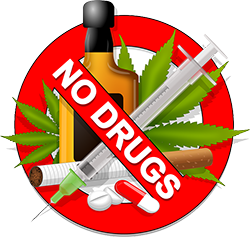
About three in four drug or alcohol abusers have jobs — and they don’t leave their problems at the door when they arrive at work.
According to OSHA, an effective drug-free workplace program should have five components.
Program components
- A Drug-Free Workplace Policy. Your policy should include a stated purpose or rationale, a clear description of prohibited behaviors, and an explanation of the consequences of violating the policy.
- Supervisor Training. Have your supervisors trained in understanding the policy and its implications, recognizing and dealing with employees who have substance-related performance problems, and referring these employees to available assistance. Make supervisors responsible for monitoring employee performance, staying alert to performance problems, and enforcing the policy.
- Employee Education. Effective education addresses company-specific details about the policy and program, together with general information about the nature of substance abuse, its impact on work, health, and personal life, and types of available assistance. You can provide education through safety meetings and training sessions, home mailings, workplace displays, brown-bag lunches, guest speakers, seminars, and new-hire orientation sessions.
- Workplace Assistance. Employee Assistance Programs (EAPs) offer an alternative to dismissal and minimize the employer’s legal vulnerability by demonstrating efforts to support substance-abusing workers who need help. EAPs provide counseling and referrals, plus other services such as supervisor training and employee education. If you don’t offer these services, maintain a resource file from which employees can access information about community-based resources, treatment programs, and help lines.
- Drug Testing. The most common test is urinalysis. Other types are the breath-alcohol test, blood test, hair analysis, and saliva or sweat tests. Reasons for testing include pre-employment screenings, reasonable suspicion of use, post-accident, return-to-duty, random, and periodic tests. Private employers have latitude in implementing testing unless they’re subject to federal regulations for employees in safety-sensitive situations. Many employers use testing guidelines from the Substance Abuse and Mental Health Services Administration (SAMHSA). Finally, bear in mind that creating and implementing a successful drug-testing program takes time and patience.
Employers who want formal program resources can review Drug-Free Workplace program options and, for testing-related considerations, see Drug and Alcohol Testing Insurance.
Frequently Asked Questions
How should a company start implementing a drug-free workplace program?
Begin by writing a clear policy, training supervisors to recognize performance problems, and setting up employee education and assistance resources.
What types of drug tests are commonly used?
Common tests include urinalysis, breath-alcohol, blood, hair analysis, and saliva or sweat tests; choice depends on program goals and legal constraints.
Can employers refer employees to treatment instead of firing them?
Yes. Employee Assistance Programs and referrals to community resources can provide counseling and treatment alternatives to dismissal.
Are employers required to use federal guidance for testing?
Private employers generally have latitude, but employers in federally regulated, safety-sensitive industries must follow applicable federal testing rules.