Overview
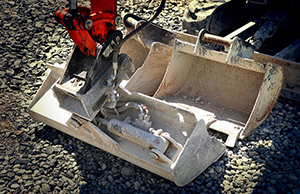
Construction liability insurance protects contractors, subcontractors, and project owners from third-party claims for property damage and bodily injury that occur on a job site.
Worksite incidents are common because construction combines heavy equipment, many workers, shifting site conditions, and sometimes severe weather, all of which increase the chance of accidents.
Policies can be written as general liability or as project-specific coverage for a fixed period and limit, depending on the contractor’s needs and the owner’s contract requirements.
Key takeaways
- Construction liability covers third-party property damage and bodily injury from jobsite incidents.
- Policies may be written per project or as ongoing general liability with per-incident and aggregate limits.
- Not all incidents are covered—professional errors, employee injuries, and pollution often need separate or endorsed coverage.
How it works
When a covered accident causes injury or property loss, the insurer typically defends the insured against lawsuits and pays settlements up to the policy limits.
Limits are often quoted as per-occurrence and aggregate amounts, and deductibles or self-insured retentions may apply to certain claims.
Project policies are commonly used for a single job and specify the contract period and the insured parties for clear, time-limited protection.
Underwriters consider factors such as project type, number of workers, site conditions, and operations when pricing and setting terms.
For guidance on specialized risk areas and endorsements, contractors sometimes compare options such as Machinery Construction Pollution Liability to address machinery- or pollution-related exposures.
What it may cover (and what it may not)
Typical coverages include legal defense costs, settlements or judgments for third-party bodily injury, and third-party property damage arising from covered operations.
Policies may also include personal and advertising injury, products-completed operations coverage, and additional insured status for owners or general contractors under specific endorsements.
- May cover: third-party medical payments, legal defense, settlements for covered incidents, and completed operations exposure.
- May not cover: worker injuries (usually excluded and handled by workers’ compensation), professional design errors without professional liability, or intentional acts.
- May require endorsements or separate policies for pollution, certain types of equipment failure, or specialized trades.
For trade-specific liability concerns and limits tied to particular operations, you can review targeted offerings like Interior Construction Tile Work Contractor General Liability Insurance.
Common mistakes to avoid
Assuming general liability alone will cover all jobsite exposures is a frequent error; some risks need separate policies or endorsements.
Failing to verify additional insured wording and certificate limitations can leave subcontractors or owners exposed during contract disputes.
Choosing limits based only on cost rather than exposure may result in insufficient coverage for large claims or multiple incidents on a single project.
Questions to ask an agent
What are the per-occurrence and aggregate limits, and how do deductibles or self-insured retentions apply to my operations?
Which exclusions apply to my trade, and what endorsements or separate policies are recommended for pollution, professional liability, or equipment-related exposures?
How does the policy handle additional insured requests from owners or general contractors, and can the endorsements be tailored to contract requirements?
For coverage tailored to construction managers and site supervision responsibilities, consider reviewing options such as General Liability Insurance for Construction Managers.
Next steps
Inventory your operations, common jobsite hazards, and contract requirements to determine the level and type of liability protection you need.
Request and compare policy language, limits, exclusions, and endorsements from insurers or brokers familiar with construction risks.
If you want a formal comparison or to secure coverage, talk to an agent about your specific projects and exposure to get a tailored recommendation.
Frequently Asked Questions
Does construction liability cover injuries to my employees?
No. Worker injuries are typically covered by workers’ compensation, not by standard construction liability policies.
Can a property owner require me to add them as an additional insured?
Yes; owners commonly request additional insured status, but the exact protection depends on the policy wording and any endorsements.
Will general liability cover pollution from construction activities?
Pollution incidents are often excluded or limited; pollution liability or specific endorsements are usually necessary for environmental exposures.
How do per-project policies differ from general liability policies?
Per-project policies are time-limited and tied to a single job, while general liability provides ongoing coverage across multiple projects subject to policy limits.