Overview
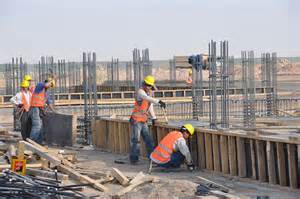 Construction sites combine heavy equipment, multiple trades, and changing conditions, which increases the chance of accidents that can cause injury, property damage, or costly lawsuits. A focused Construction Liability policy helps pay legal damages and defense costs when third parties are harmed or their property is damaged because of on-site work.
Different policies are available depending on whether you prefer ongoing General Liability protection or a single-project wrap-up. For practical examples of accident scenarios and coverage options, see Construction Site Accidents and Liability Insurance. For contractor-focused guidance, see General Liability and Risk Management for Construction Contractors.
Key takeaways
- Construction Liability covers legal damages and defense costs for third-party injury or property damage arising from on-site work.
- Policies can be written as ongoing General Liability coverage or as project-specific policies with set limits and timeframes.
- High-risk trades and large commercial or high-rise projects typically require higher limits and broader protections.
- Discuss exclusions, per-incident limits, and umbrella coverage with your agent before bidding on jobs.
How it works
When a covered incident occurs, the policy typically pays for legal defense and any court-awarded damages up to the limits and subject to policy conditions and exclusions. Insurers will investigate claims, and coverage can depend on contract terms, notice timing, and whether subcontractors are properly insured.
Contractors often choose between broad General Liability policies or a project-based policy that covers a single job for a fixed period and dollar amount. For guidance on liability coverage tailored to managers and multi-site responsibilities, review General Liability Insurance for Construction Managers.
What it may cover (and what it may not)
Typical coverage
- Third-party bodily injury and property damage resulting from construction operations.
- Legal defense costs, settlements, and judgments up to policy limits.
- Products-completed operations for defects that cause damage after work is finished (when included).
- Certain medical payments for on-site injuries to non-employees.
Common exclusions
- Worker injuries covered by Workers Compensation are excluded from third-party liability.
- Intentional acts, contractual indemnities beyond policy scope, and some pollution incidents may be excluded.
- Professional design errors may require a separate Professional Liability policy.
For commercial developers and larger projects, specialized terms or endorsements may be needed; see Why Commercial Developers General Liability Insurance is a Non-Negotiable Investment for more context.
For trade-specific examples and considerations, see Interior Construction Tile Work Contractor General Liability.
Common mistakes to avoid
- Assuming a basic policy automatically covers all on-site risks — read exclusions and endorsements carefully.
- Failing to verify subcontractors’ insurance limits and certificates before they start work.
- Underinsuring per-incident limits or forgetting umbrella/excess coverage for large claims.
- Not notifying insurers promptly after an incident or before contract signature deadlines.
Questions to ask an agent
- What limits do you recommend for my typical project size and trade mix?
- Which exclusions should I be most concerned about for roofing, excavation, or high-rise work?
- Do I need a project-specific policy or will a General Liability policy with endorsements suffice?
- How do subcontractor certificates and additional insured endorsements work on my policy?
Next steps
Inventory your current projects, list high-risk operations, and collect subcontractor insurance certificates to identify gaps. Compare per-incident limits, aggregate limits, and available endorsements before bidding.
If you want an individualized review or a quote, talk to an agent who can explain options, suggest appropriate limits, and help coordinate additional coverages like umbrella or pollution cleanup endorsements.
Frequently Asked Questions
Does Construction Liability cover injuries to my employees?
No. Employee injuries are typically covered by Workers Compensation, not third-party liability policies.
Will my policy cover damage caused by a subcontractor?
It can, but many contractors require subcontractors to carry their own liability insurance and name the general contractor as an additional insured.
Do I need a separate policy for pollution-related incidents?
Often yes; pollution or environmental cleanup exposures may require a specialized pollution liability policy or an endorsement.
How do per-incident limits differ from aggregate limits?
Per-incident limits cap what the insurer will pay for a single claim, while aggregate limits cap the total paid during the policy term.