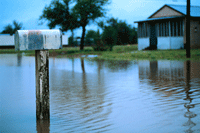
Overview
Flooding is the most frequent and costly natural disaster in many parts of the country. Standard homeowners policies normally exclude flood damage, so a separate policy is required to protect a home and its contents from rising water, storm surge, or backflow from storm drains.
Federal and private programs both provide options for flood coverage; requirements and availability depend on location, property type, and lender rules. For more on federally administered options, see Write Your Own (WYO) Flood Insurance (NFIP).
Key takeaways
- Flood insurance must usually be bought before a known event — most policies have a waiting period before coverage begins.
- Lenders often require flood insurance for properties in high-risk areas; coverage amounts may need to match the mortgage.
- Premiums vary by elevation, proximity to water, and building features such as basements.
How it works
A flood policy covers physical damage from flooding as defined in the policy wording. After a covered loss, the insurer evaluates damage, and the policyholder receives payment up to policy limits for repairs, replacement, or structural work outlined in the contract.
There is typically a standard waiting period between purchase and when coverage becomes effective, so it is important to buy in advance of storms or seasonal flood risk. For details about timing, limits, and safety considerations, see Flood Insurance: Timing, Coverage and Safety.
What it may cover (and what it may not)
Flood policies commonly cover structural damage to the home, major systems (electrical, plumbing), and personal property contents when specifically included. Separate coverage is often required for detached structures and landscaping.
Typical exclusions include losses caused by sewer backups unless specifically endorsed, enforcement of building codes, and damage to certain types of property (for example, valuable papers or certain business property may be limited). Availability can also be restricted in some high-exposure locations such as oceanfront parcels.
Common mistakes to avoid
Buying only after a storm is a frequent error: most policies have a waiting period before they take effect, so late purchases may leave you uninsured.
Assuming your homeowners policy covers flooding is another common mistake; verify coverages rather than assuming flood is included. If you live in a regulated high-risk area, share documentation with your lender and insurer to make sure the required protection is in place. If you need guidance about properties in designated flood areas, review Flood Zone Homes.
Questions to ask an agent
What is the waiting period before the policy becomes effective?
Does the policy cover replacement cost or actual cash value for contents and structure?
Are basements, finished basements, and detached structures included or excluded?
What limits or sublimits apply to specific categories such as appliances, finished flooring, or mechanical systems?
Next steps
Determine whether your property is in a high-risk area and whether your lender requires flood coverage.
Compare program options, limits, and waiting periods with an insurance professional, and prepare elevation certificates or other documentation if requested.
If you want a quick estimate or to discuss options with a licensed producer, talk to an agent.
Frequently Asked Questions
Do I need flood insurance if I don't live near a river or coastline?
Yes — flooding can happen from heavy rainfall, storm drains, and other causes away from obvious water sources, so location alone doesn't eliminate risk.
How long after I buy a flood policy does coverage start?
Most policies include a waiting period (commonly around 30 days) before coverage is effective, though exceptions exist for certain transactions.
Will federal disaster assistance replace the need for flood insurance?
Federal aid is typically limited and often comes as a loan or emergency grant that may not fully cover losses, so private or NFIP coverage is the primary way to protect property value.
Can renters buy flood insurance?
Yes — renters can purchase policies that cover personal contents and certain additional expenses even when the building owner holds the structure policy.