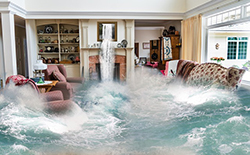
Overview
Flood damage is one of the most costly natural hazards for homeowners and renters, and standard homeowner policies typically exclude flood perils. Separate flood insurance helps protect the structure and personal property from rising water, storm surge, or surface water that overwhelms drainage systems.
Because most flood policies have a mandatory waiting period, it’s important to arrange coverage before a storm is forecast or before you close on a mortgage if you are in a high-risk area.
Key takeaways
- Flood insurance usually has a 30-day waiting period before coverage begins.
- Lenders require flood insurance for properties in high-risk flood zones when a mortgage is involved.
- Eligibility, premiums, and coverage options depend on factors such as elevation, flood zone, and building features.
How it works
Flood insurance policies are offered through federal programs and private markets, with underwriting and pricing that reflect a property’s flood risk. The waiting period—commonly 30 days—means buying coverage at the first sign of heavy rain may be too late.
Homebuyers who need flood coverage to satisfy a lender should confirm required limits and timing well before closing to avoid last-minute gaps in protection. For program-specific storefronts and options, consider resources like WYO Flood (Write Your Own) - NFIP.
What it may cover (and what it may not)
Flood insurance typically covers structural damage to the building, specified amounts for personal property, and sometimes separate coverage for basements and buildings’ mechanical systems.
Policies often exclude damage from moisture, mildew, hidden mold not caused directly by flooding, and losses to certain valuable items unless additional coverage is purchased. Combined or specialty policies can address gaps; see options such as Earthquake and Flood Insurance when multiple perils are a concern.
Certain properties—especially some oceanfront locations or properties with repeated catastrophic losses—may face restrictions or higher premiums and may not be eligible for standard programs.
Common mistakes to avoid
Waiting until a storm is forecast to buy flood insurance. The standard waiting period means new policies usually won’t help for imminent flooding.
Assuming a mortgage lender’s acceptance of federal disaster aid replaces insurance. Disaster assistance may be limited and can carry repayment requirements or strict eligibility rules.
Underinsuring the home or personal property. Verify replacement cost and separate limits for belongings, basements, and detached structures so you’re not left with uncovered losses.
Questions to ask an agent
What is the exact waiting period for this policy and when will coverage begin?
Which flood zones or elevation certificates affect my premium and eligibility?
Does the policy cover contents, basements, and temporary living expenses if my home is uninhabitable?
Are there alternatives or endorsements for properties that are ineligible for standard programs, and how do I compare options such as Flood Zone Homes storefronts?
Next steps
Check your property’s flood zone and elevation information, and review any lender requirements if you have a mortgage. Confirm timing so your policy is in force when you need it.
Compare program options and limits, and discuss deductible choices and contents coverage with an agent. If you want help getting a quote, you can ask an agent to review your needs and timing.
Frequently Asked Questions
Do flood insurance policies take effect immediately?
Most policies include a waiting period—commonly 30 days—so coverage does not begin immediately after purchase.
Will my homeowner policy cover flood damage?
Standard homeowner policies usually exclude flood damage, so a separate flood policy is needed to cover flooding-related losses.
Can I get flood insurance if I live on the coast?
Coastal properties may be eligible but can face higher premiums or specific eligibility rules; some high-risk locations may have limited options.
What factors affect flood insurance premiums?
Premiums are influenced by elevation, flood zone designation, proximity to water, building features like basements, and the policy limits you choose.