Overview
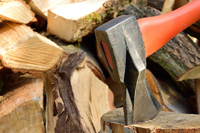
Lumberjack competitions bring skilled athletes, heavy tools and large crowds together for events like axe throwing, sawing races and timed chainsaw work.
Those elements create event-specific exposures that ordinary logging or woodworking policies may not fully anticipate, so hosts, competitors and vendors need a clear plan for insurance and risk control.
Key takeaways
- Spectator liability is the primary coverage hosts need to protect against injuries and property damage to attendees.
- Competitors should confirm personal health and specialty liability coverage for contest activities before competing.
- Equipment used under competitive stress can be excluded by standard policies; consider endorsements or separate coverage.
- Work with an agent early to document requirements for waivers, proof of coverage and vendor or sponsor agreements.
How it works
Event hosts typically buy a short-term event or commercial general liability policy that names the event and dates and includes limits appropriate for a crowd.
Spectator liability covers bodily injury and property damage claims brought by attendees; some policies also offer medical payments coverage for minor injuries without a lawsuit.
Hosts often require competitors, vendors and contractors to provide certificates of insurance showing minimum liability limits and additional insured status when appropriate.
What it may cover (and what it may not)
Typical event coverages include general liability for spectators, commercial property for event infrastructure, and non-owned auto or vendor liability if vehicles are present.
Policies frequently exclude competitive use of equipment; competition wear-and-tear or accidents during timed events may not be covered without specific endorsements. For related industry considerations, see Woodworking and Lumber Insurance: Risks and Required Coverages.
Competitor medical needs may be handled by personal health insurance, but athletes should confirm whether their plans exclude participation in high-risk competitions and consider supplemental accident coverage.
For coverage details focused on liability, also review Logging Liability Insurance Guide and for product-related exposures consider resources on Lumber Products Insurance.
Common mistakes to avoid
Allowing unrestricted “open” competition without proof of insurance or signed waivers increases host exposure and can void claims defenses.
Assuming routine equipment coverage applies during contests is risky; running tools at maximum capacity or in atypical ways can fall outside standard policies.
Neglecting crowd control, emergency medical planning and clear tool-storage protocols often leads to preventable injuries and larger claims.
Questions to ask an agent
Ask what limits and endorsements you need to cover spectator injury, vendor liability and equipment used specifically in competitions.
Confirm whether competitors can be added as additional insureds or whether they should carry their own policies and sign waivers.
Request sample policy language for exclusions that apply to competition use and ask about short-term event or umbrella options for higher limits.
Next steps
Document the event layout, expected attendance and a list of high-risk activities before contacting an agent so they can recommend appropriate limits and endorsements.
Require written certificates of insurance from competitors, vendors and contractors and pair waivers with safety protocols and on-site medical coverage.
If you need more detail on operational or equipment considerations, review Logging Operations Insurance and consider discussing your plans with an insurance professional.
When you’re ready to get formal coverage proposals, talk to an agent who can compare options and issue required endorsements or short-term event policies.