Overview
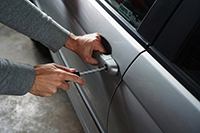
Vehicle theft is a persistent risk for businesses that rely on company cars, trucks, or vans. A stolen vehicle can disrupt operations, delay jobs, and create unexpected costs for repairs, replacement, and downtime.
Beyond the immediate loss of a vehicle, theft can expose businesses to liability risks if tools, equipment, or customer property were inside the vehicle at the time of loss.
Key takeaways
- Think of theft protection in three layers: deterrence, immobilization, and recovery.
- Comprehensive commercial auto coverage typically helps cover stolen vehicles, but limits and deductibles vary.
- Simple operational changes and a few security devices often reduce theft risk significantly.
- Reviewing coverage and asking targeted questions of your insurer helps close gaps before a loss.
How it works
Theft-prevention starts with reducing temptation and opportunity: secure parking, removing valuables, and using visible deterrents such as alarms and steering locks.
Immobilizing measures—smart keys, kill switches, or disabling certain systems—make theft more difficult and slow down criminals, increasing the chance a theft will be interrupted.
Tracking technologies provide the final layer by enabling law enforcement to locate and recover a vehicle more quickly when theft occurs.
What it may cover (and what it may not)
Commercial auto insurance that includes comprehensive coverage commonly applies to theft of the vehicle itself and damage from a theft attempt, subject to policy limits and deductibles.
Policies may not automatically cover tools or equipment inside the vehicle unless those items are listed or covered under a separate inland marine, business property, or specialized theft policy.
For specialized property exposures—such as tools left at a jobsite or agricultural equipment—you may want to review additional options like Burglary and Theft Insurance or, for operations tied to livestock, consider Livestock - Theft.
Common mistakes to avoid
- Assuming a standard commercial policy covers every item left in a vehicle; ask about limits for tools and business property.
- Neglecting simple physical security steps like removing visible tools or locking vehicles overnight.
- Relying solely on deterrents without adding immobilization or recovery options.
- Failing to document vehicle equipment and serial numbers for faster police reports and insurance claims.
Questions to ask an agent
Which parts of a theft loss would my commercial auto policy cover, and what are the deductibles and limits?
Does my policy include coverage for tools, business property, or equipment stored in or on vehicles, or should I consider a specialized policy such as EMT Insurance (Emergency Medical Technicians) if my operation has unique exposures?
Are there endorsements or optional coverages that add recovery tools like GPS tracking, replacement vehicle reimbursement, or expanded contents coverage?
Next steps
Walk your fleet and jobsite routine to identify where vehicles are most at risk and prioritize low-cost actions first: lock doors, remove keys, store tools in secure containers, and park in well-lit areas.
Consider adding one or more security layers—alarms, immobilizers, and trackers—and verify how those measures affect your loss experience and insurance terms.
If you haven’t reviewed your commercial auto and property protections recently, schedule time to talk to an agent about tailored theft coverage and risk-management options.
Frequently Asked Questions
Will commercial auto insurance replace a stolen company vehicle?
Comprehensive coverage on a commercial auto policy typically pays for theft, subject to the policy’s limits and deductible; confirm the actual replacement terms with your insurer.
Are tools and equipment inside a stolen vehicle automatically covered?
Not always—many policies limit or exclude tools unless specifically endorsed or covered under a separate property policy, so verify coverage and limits.
Do tracking devices reduce insurance costs?
Some carriers recognize active recovery measures and may offer underwriting consideration, but cost savings vary by insurer and should be confirmed with your agent.
What immediate steps should I take after a vehicle is stolen?
Contact police to file a report, notify your insurance company promptly, and provide an itemized list of equipment and identifying information to speed the claim.