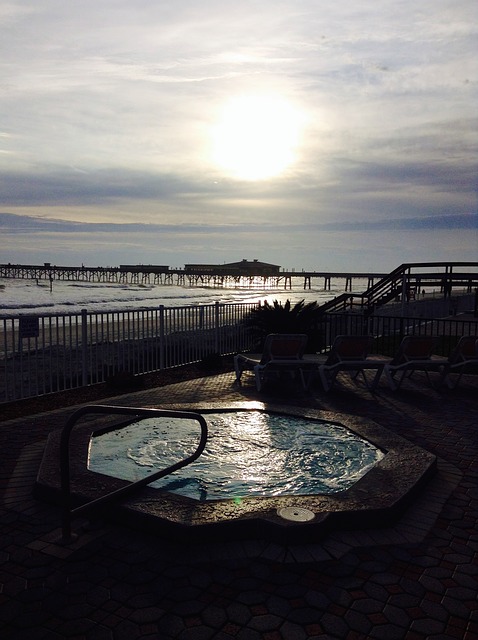
Overview
Hot tubs are a popular backyard feature for relaxation and therapy, but they also present safety and liability risks if not used and maintained correctly. This article summarizes practical safety steps, basic maintenance guidance, and insurance considerations to help homeowners keep their hot tub safe and enjoyable for family and guests.
Key takeaways
- Keep water temperature and soak times conservative—especially for children, pregnant people, and anyone with medical conditions.
- Maintain clear safety measures: secure covers, working drain covers, supervision for children, and strict no-alcohol/drug policies.
- Regular cleaning and chemical checks reduce infection risks; verify insurance coverage for accidents and damage.
How it works
A hot tub raises body temperature and can lower blood pressure while providing muscle relief. These physiological effects mean that users who are pregnant, have heart conditions, or take certain medications should use lower temperatures and shorter soak times. Heat exposure combined with alcohol or sedating medications increases the risk of fainting, drowning, or injury.
Proper maintenance—filtration, sanitizer levels, and periodic draining and cleaning—prevents bacterial growth and keeps the system functioning safely. Mechanical safety features such as drain covers and locking lids help prevent entrapment or unintended access.
What it may cover (and what it may not)
Homeowner insurance often covers accidental injury claims and damage related to a hot tub, but coverage varies by policy and may exclude certain incidents or liabilities. For questions about commercial or specialty exposures, consider resources like Hot Oilers / Energy Insurance and Luxury Hotels Insurance for examples of how different policies address property and liability risks.
To better understand safety standards and business-related liability topics, see Business liability and safety topics for broader context on preventing accidents and handling claims.
Common mistakes to avoid
Using the hot tub while intoxicated or after taking sedatives is a frequent and dangerous mistake. Also avoid leaving children unsupervised, allowing infants or toddlers to use the tub, and neglecting routine chemical testing and cleaning.
Other common errors include ignoring manufacturer instructions for drain covers and safety equipment, failing to install a locking cover to prevent unsupervised access, and exceeding safe temperature and time limits for vulnerable users.
Questions to ask an agent
When discussing coverage with an insurance professional, ask about liability limits, guest medical payments, and whether the policy covers repairs or replacement after equipment failure. Also confirm any required safety features or maintenance documentation your insurer expects.
If you want a quick way to review your options, you can talk to an agent about specific policy language and endorsements that protect against hot tub-related claims.
Next steps
Follow safe-use rules: limit soak times (generally under 20 minutes for healthy adults, less for pregnant people or those with health issues), keep temperatures below recommended limits, drink water, and exit immediately if you feel dizzy or nauseous. Shower before entering to reduce contaminants and test chemical levels weekly.
Install and regularly test safety devices such as properly secured drain covers and a locking lid to prevent unauthorized access. Keep clear written guidance for guests and supervise children at all times.
Frequently Asked Questions
Can children use a hot tub?
Older children may use a hot tub if they can keep their heads above water; limit exposure to a few minutes at higher temperatures and always supervise closely.
What temperature is safe?
Healthy adults should generally keep water below 104°F; pregnant people and those with heart conditions should use lower temperatures, around 100°F or less.
How often should I clean and test the water?
Test chemical levels weekly, shower before use, and wipe or drain and deep-clean the tub at least every couple of months or per the manufacturer's guidance.
Does homeowner insurance cover hot tub accidents?
Many homeowner policies include liability coverage that may apply, but coverage varies—review your policy details and ask your agent about limits and exclusions.