This spring, add fleet maintenance to your list of chores. 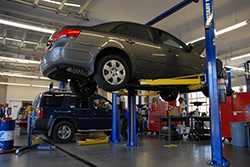 The right maintenance prepares your business vehicles to operate safely during the busy spring and summer months. Plus, these tips remove remnants of winter weather and prolong the life of your valuable fleet.
Inspect Brakes
Properly functioning brakes allow your vehicle to stop when necessary. Verify that the pads and rotors remain in good shape or replace them if necessary, and clean any winter salt and residue from the anti-lock braking system.
Change Fluids
Fluids equip a vehicle's motor to operate properly. Change the oil, flush the transmission fluid and refill the windshield washer fluid to protect your fleet.
Check the Belts and Hoses
Broken, cracked, softened, peeling or worn belts and hoses affect a vehicle’s performance. Now that spring is here, check all the belts and hoses under the hood and replace any that show signs of wear.
Adjust the Alignment and Suspension
Potholes and winter debris affect a vehicle's alignment and suspension, causing it to pull to one side or vibrate. Reduce your accident risk and ensure your vehicles operate properly by correcting any alignment or suspension problems promptly.
Rotate and Fill Tires
Because tires enhance traction, handling and safety, rotate them and inflate to the proper pressure. Verify that the tread on each tire is adequate and replace tires that are worn.
Charge the Battery
After working hard all winter, the battery may be drained. Charge it or replace the battery if you notice that electrical components operate slower than normal.
Test the Air Conditioner
A properly functioning air conditioner keeps your employees comfortable into the summer. Turn it on and ensure it reaches full cold quickly; recharge or repair the system if it doesn’t cool properly.
Stock Supplies
Whether your employees drive company cars to make deliveries or meet with clients, stock adequate supplies. Each fleet vehicle should have a first aid kit, updated registration and insurance information, and any items essential for work.
For related coverage considerations for facilities and building work, see Building Maintenance & Cleaning Services Insurance.
Perform a Complete Detail
Salt melts snow and ice on winter roads, but it also causes rust on a vehicle’s undercarriage. Wash your fleet vehicles carefully to remove any salt and other winter residue, and remove dirt and debris from the interior to improve safety and visibility.
Schedule the Annual Inspection
Double check when the annual inspections are due for each vehicle, and plan those inspections so they do not lapse.
Reduce the risk of vehicle accidents when you maintain your business fleet this spring. For additional tips, Computer-Related Maintenance Services Insurance may offer guidance for technology-related maintenance tasks, or you can talk to an agent for personalized help.
Frequently Asked Questions
How often should I rotate fleet tires?
Rotate tires every 5,000–7,500 miles or according to the vehicle manufacturer’s recommendation to promote even wear and extend tire life.
When is a battery too weak and needs replacement?
If a battery struggles to start the vehicle, shows corrosion, or is more than three to five years old, consider testing and replacing it.
What should be included in a fleet vehicle emergency kit?
A basic kit should include a first aid kit, flashlight, jumper cables, basic tools, reflective warning devices and updated registration and insurance documents.
How can I protect vehicles from spring road salt damage?
Wash the undercarriage and exterior regularly to remove salt residue, and apply rust protection or undercoating if appropriate.