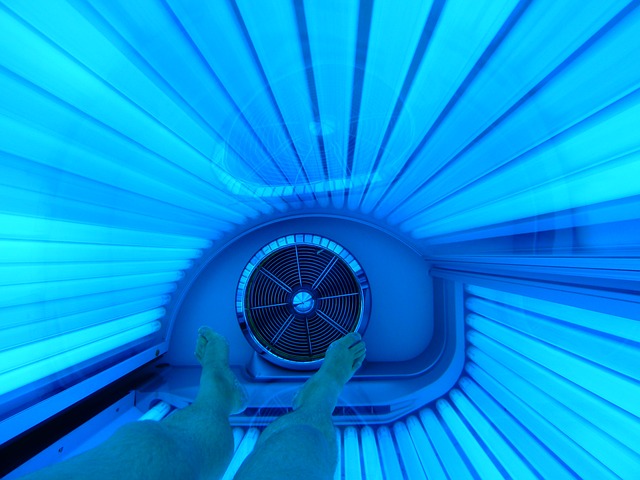
March is here, and it's a popular month to visit tropical locations or start planning your next getaway. To get a jump on your tan, you may schedule a few indoor tanning sessions. However, your risks of getting cancer increase when you use indoor tanning salons. Stay safe by following several tanning safety tips.
Take Melanoma Seriously
The Memorial Sloan-Kettering Cancer Center found that many college students who tan do not see it as significantly risky. No one is immune to cancer, and indoor tanning increases the chance of getting melanoma, especially for people younger than 35.
Melanoma is serious. Even a small amount of melanoma can spread to lymph nodes and other organs. If it spreads, the risk of dying from melanoma increases dramatically. Think about your future before you use a tanning bed.
Protect Your Skin
Squamous and basal cell carcinomas are two common non‑melanoma skin cancers. They may not spread as quickly as melanoma, but they can cause permanent scars.
Indoor tanning also produces sun spots, wrinkles, and can damage the retinas in your eyes. These effects do not simply disappear with age and can continue to affect your appearance and health.
Resist Peer Pressure
Women especially may feel pressure to focus on appearance. Tanning can help you fit in, but giving in to peer pressure can have serious health consequences.
Use Exercise and Fashion to Change Your Appearance
Golden-brown skin may hide cellulite and can create the illusion of a slimmer figure, but toning exercises produce similar results without the cancer risk.
You can also wear clothing that flatters your shape and skin tone, and consult your hairdresser about styles and accessories that enhance your appearance.
Understand the Addictive Risks of Tanning Beds
Even after a skin cancer diagnosis, some people continue to visit tanning salons. Those individuals may try but be unable to cut back, and they may neglect family, friends, and hobbies to use tanning beds. Be aware of the addiction risk before you start using indoor tanning.
Despite the risks, you may still choose to tan. If so, use a reputable salon; trained staff should evaluate your skin tone and recommend appropriate tanning times. Read any waiver carefully, as it outlines tanning risks.
If you operate a tanning salon, consider reviewing your liability and property options with Tanning Bed Insurance or Tanning Booth Insurance. For personal or business questions, you can also talk to your agent.
Frequently Asked Questions
Does indoor tanning increase my cancer risk?
Yes. Indoor tanning exposes your skin to UV radiation, which increases the risk of melanoma and other skin cancers.
Can short tanning sessions prevent skin damage?
Even brief UV exposure contributes to cumulative skin damage, so short sessions reduce but do not eliminate risk.
Are there safer alternatives to indoor tanning?
Yes. Self-tanning lotions and sprays can provide a tanned appearance without UV exposure.
How can I protect my eyes during tanning?
Use protective goggles designed for tanning beds and follow salon staff instructions to avoid retinal damage.
When should I see a doctor about a suspicious mole?
See a doctor promptly if a mole changes in size, shape, color, or becomes painful or bleeds.