Construction workers face a high risk of sustaining mild to serious brain injuries. Understand what these injuries are and how to prevent them so you can protect yourself during Brain Injury Awareness Month and every day.
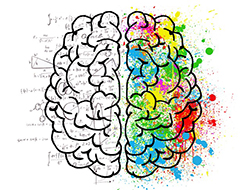
What is a Brain Injury?
A brain injury occurs from a fall or a blow to the head. The force can stretch, tear, or bruise brain tissue and may cause bleeding, swelling, and other temporary or permanent conditions.
After a brain injury, some people recover fully while others experience lasting physical, cognitive, or emotional complications. It is important to see a doctor right away even if the injury seems minor.
Brain Injury Side Effects
The symptoms of a brain injury range from mild to life-threatening and may appear days or weeks after an accident. Depending on severity, you may experience:
- Headache
- Nausea or vomiting
- Dizziness
- Lack of coordination
- Concentration or memory loss
- Fatigue
- Blurred vision
- Speech problems
- Limb weakness
- Sleep disturbance
- Seizures
- Mood changes
- Coma
How do Brain Injuries Occur?
Construction professionals face higher risk because they work around heavy equipment, at heights, and in changing conditions. The most common causes include:
- Falls from ladders, scaffolds, roofs, cranes, or other elevated surfaces
- Slips on wet, icy, or debris-covered ground
- Vehicular accidents during commutes or while operating equipment
- Blows from construction materials, beams, rolling objects, and other items
- Electrocution while working on or near electrical components
- Getting caught in or between objects such as running equipment or material piles
Tips to Prevent Brain Injuries
Several precautions on the job site can reduce the risk of brain injuries:
- Plan for safety by evaluating the site for hazards and implementing procedures to address them.
- Follow fall protection protocols with guardrails, hole covers, safety harnesses, proper ladder use, and a tidy work area.
- Wear a properly fitting, high-quality hard hat and replace it if damaged.
- Stay aware of your surroundings to reduce collisions and other accidents.
- Train employees on brain injury risks and correct use of safety equipment.
- Raise safety awareness among architects, property owners, and site visitors.
Brain injuries are common in the construction industry. Protect yourself by understanding the risks and effective prevention steps. For more information on safety protocols and protective insurance, see Head Injury Insurance and Insurance for Brain Injury Programs, or talk to an agent.
Frequently Asked Questions
What should I do immediately after a head injury on a construction site?
Stop work and seek medical attention right away if you lose consciousness, vomit, have severe headache, dizziness, or confusion; even mild symptoms should be evaluated by a healthcare professional.
How soon can symptoms appear after a brain injury?
Symptoms can appear immediately or may develop over hours to days, so monitor the injured person closely for any changes in condition.
Can a hard hat prevent all brain injuries?
A hard hat significantly reduces the risk of head injury from falling objects and impacts but cannot prevent all types of brain injury, especially from high-speed collisions or severe falls.
When should an injured worker return to full duties?
Return-to-work decisions should be guided by a healthcare professional and consider symptom resolution, cognitive and physical recovery, and job demands.