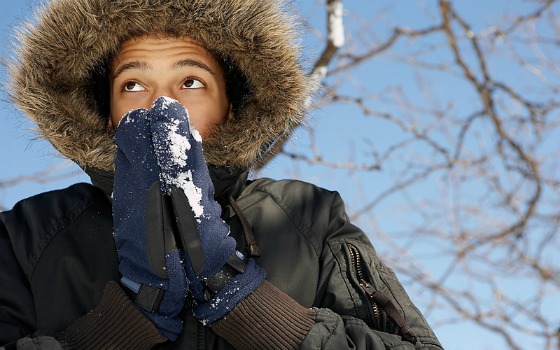
 The winter months are the most dangerous for people who work outdoors. Often workers succumb to cold‑weather illness when working outside. Employees in other industries also face ongoing cold exposure, many of them even in relatively mild climates.
These workers include:
- Delivery people
- Postal workers
- Maritime employees
- Food processing workers
- Cold storage industry staff
- Supermarket workers
- Tow truck operators
Cold is punishing to people. Exposure to cold has many negative effects that include dehydration, frostbite, numbness, shivering, hypothermia, and immersion foot disease.
What ongoing cold exposure does
Hypothermia
Cold exposure first affects the limbs, toes, and fingers and then progresses deeper into the body tissues and the core. If the core temperature drops below 95°F, the worker has hypothermia. Hypothermia is a dangerous illness and, along with frostbite, is one of the two most serious risks of working in a cold environment.
Frostbite
When a person’s skin has a severe reaction to extreme cold, frostbite can occur. Frostbite freezes the skin and can create ice crystals in body fluids, including blood. Severe frostbite can cause permanent damage to hands, feet, ears, and the nose, and in extreme cases may require amputation.
Other dangerous illnesses
Frostbite and hypothermia are the most common cold-related illnesses workers get from exposure. Other significant cold‑weather injuries include the following list.
Other significant cold weather injuries include:
- Cold immersion
- Chilblains
- Trench foot (immersion foot)
Prevention of cold weather injuries
Keeping feet warm and dry is one of the best prevention measures against trench foot and frostbite of the foot. Insulated, waterproof boots and appropriate socks reduce the risk of immersion foot and frostbite.
Other personal protective equipment includes insulated base layers (long johns), cold‑weather outerwear, and access to warm rest areas or space heaters where practical. Employers should train workers to recognize early signs of cold injury and to take breaks to warm up.
Preventing cold weather injuries is better than treating them and having worker compensation claims rise. Consider reviewing Winter Weather Insurance options for seasonal exposures and check equipment protection such as Industrial Equipment and Spare Parts Insurance where cold storage or specialized machinery is involved. If you need help planning protections for your crew, you can talk to an agent to review options.
Frequently Asked Questions
How can workers reduce the risk of hypothermia on the job?
Dress in layers, keep extremities covered, take warm breaks, stay dry, and recognize early symptoms of hypothermia.
What are early signs of frostbite?
Early signs include numbness, tingling, stinging, and pale or hard skin on exposed areas such as fingers, toes, ears, or the nose.
Is trench foot the same as frostbite?
No. Trench foot (immersion foot) results from prolonged wet, cold conditions and affects the feet, while frostbite freezes skin and underlying tissues.
When should an employer provide heated rest areas?
Provide heated rest areas whenever workers are exposed to prolonged cold or when tasks prevent regular warming breaks; these areas help prevent cold-related injuries.