Mold growth in your commercial building can cause health concerns and compromise your building’s integrity. Because mold grows quickly in damp conditions and thrives on wood, insulation, carpet, paper and other organic surfaces where moisture and oxygen are present, it’s especially problematic during the spring season. 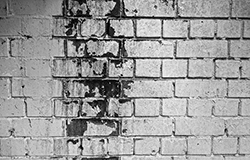 Prevent health concerns like asthma, respiratory infections, breathing difficulties, itchy eyes, nasal congestion and skin irritations when you reduce mold in several ways.
Inspect your Building for Mold Growth
Mold thrives in damp, dark and humid areas, including basements, crawl spaces, bathrooms, carpeted areas and storage spaces. Inspect your entire building, including secluded areas, at least once a week. Look for visible mold growth that may be green, black or brown, and note any spotty or fuzzy stains, another sign of mold.
Repair Leaks
If you notice damp areas in your commercial space, look for leaks that could cause and encourage mold growth. Repair broken pipes, wall cracks or unsealed windows so that the area remains dry and mold-free.
Install Dehumidifiers
Damp areas and condensation could cause mold to grow, so install dehumidifiers where necessary. These appliances reduce moisture and keep the area dry and free of dangerous mold.
Clean the HVAC System
The heating, ventilation and air conditioning system could spread mold spores throughout your building and increase health risks. Clean the system thoroughly and maintain it to help protect your employees, customers and vendors.
Treat Mold Properly
Small areas of mold growth can be cleaned and treated with bleach or another mold cleanser. Remember to wear a respirator and protective clothing as you perform this task to protect yourself from an allergic reaction.
If your building requires more extensive remediation methods, hire a professional to assess the mold, determine the extent of the damage and create a removal plan. Depending on the growth, treatment could require renovations like drywall or sub-flooring replacement. In this case, hire a reliable professional to remove the mold and treat the area properly.
File an Insurance Claim
Your commercial property insurance policy may cover mold removal, especially if it stems from a covered peril, such as a storm or an act of vandalism. Check the policy or talk to your agent as you determine if you can file a claim and cover the mold removal and treatment; see Mold (insurance) overview and Mold Abatement Insurance for additional information.
Implement an Ongoing Inspection Program
After removing and treating the mold, schedule regular inspections of the area. Look for evidence of mold growth and excessive moisture as you prevent hazardous mold growth.
Mold damages your commercial building and affects the health of your employees. This spring, reduce mold and protect your assets with these tips. For more tips, talk to your agent.
Frequently Asked Questions
How do I know when to hire a professional for mold remediation?
Hire a professional if the mold covers a large area (typically more than 10 square feet), if it recurs after cleaning, or if it is caused by contaminated water.
Will commercial property insurance always cover mold removal?
Coverage depends on the cause of the mold and your policy terms; mold resulting from a covered peril may be eligible, while long-term neglect usually is not covered.
Can I clean small mold patches myself?
Yes—small areas can often be cleaned with appropriate cleaners while wearing protective gear, but ensure the source of moisture is fixed first.
What steps prevent mold from returning?
Control moisture with repairs, dehumidifiers and proper ventilation, and perform regular inspections to catch problems early.