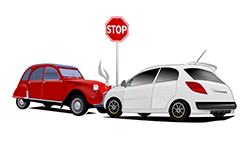
After a severe hail storm or vehicle accident, your insurance company may declare your car a total loss and offer a settlement that feels low. Use these seven tips to organize your evidence and negotiate for a fairer payment.
Seven tips to negotiate your auto insurance claim
-
Prove the vehicle’s worth. If you can show your vehicle is worth more than the offer, you may get more money. Examples of acceptable proof include:
The vehicle's purchase price if you bought it recently
Recent photos that show the vehicle in pristine condition
Receipts for recent upgrades such as new tires, a security system, or a paint job
Assemble and submit this documentation; the extra cash can make the effort worthwhile.
-
Ask for the financial sources. Request a detailed report of how the insurer calculated the settlement and the sources behind their numbers. Use those sources to verify the valuation or run your own comparison.
-
Find a comparable vehicle. Most states require insurers to offer a fair settlement that allows you to replace your totaled vehicle. Search online and locally for cars that match the make, model, year, mileage, options, and condition of your totaled vehicle, then share those examples with the insurer.
-
Ask if you can keep the car. Sometimes a totaled car is still drivable. If you want to retain it, the insurer may allow you to keep the vehicle but deduct a salvage value and may require you to drop comprehensive coverage.
-
Remain calm. Stress and anger can make negotiations harder. Present your facts clearly and stay professional to show you are serious about getting a fair settlement.
-
Contact the state insurance commissioner. If negotiations fail and you believe the settlement is unfair, your state insurance regulator can review your complaint and advise on next steps.
-
Give it a try. You may doubt that negotiating will succeed, but it's usually worth asking; you might get more than the original offer.
Sometimes you can get more money for a totaled vehicle when you prepare documentation and present comparable listings. These seven tips can help you build a stronger case and negotiate a new settlement.
If you need background on replacement coverage or shopping for policies after a total loss, see Automotive Insurance for general policy options.
For owners planning restoration work or specialty repairs after a partial loss, information on available coverage and risks can be found at Auto Restoration Insurance.
Frequently Asked Questions
What does "totaled" mean?
A vehicle is usually declared totaled when the repair cost plus salvage value meets or exceeds the car’s actual cash value, meaning the insurer considers it not economical to repair.
Can I keep a totaled car?
In many cases you can keep the car, but the insurer will deduct a salvage value from your payout and you may be required to change or drop certain coverages.
What documentation best supports a higher settlement?
Receipts for recent work or upgrades, the original purchase invoice, and dated photos showing condition before the loss are the most helpful pieces of evidence.
When should I contact my state insurance regulator?
If your insurer won’t provide the valuation details, denies valid evidence, or you believe the settlement is not fair after reasonable negotiation, contact the regulator for guidance.