Overview
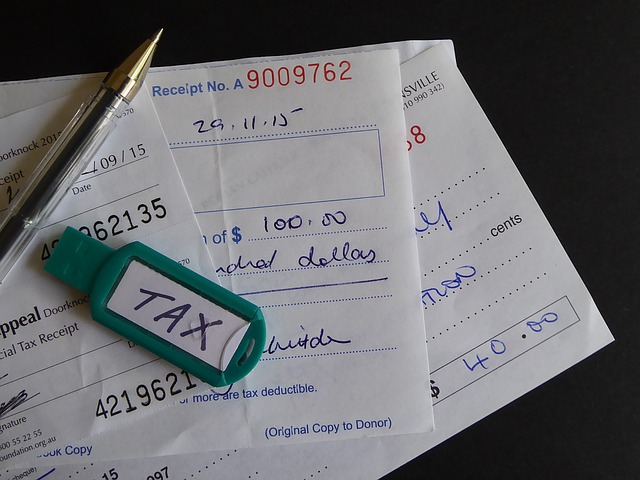
Organizing receipts and small-business expense records makes tax season far less stressful and reduces risk if the IRS requests documentation. A consistent process for capturing, annotating, and storing receipts helps ensure accurate deductions and supports your tax positions if audited.
This guide outlines practical steps to keep reliable records, how to handle cash and card purchases, and simple storage practices that preserve proof of business activity.
Key takeaways
- Keep receipts for every business expense when possible, and add context to each one.
- Use cards or digital payments to create an audit trail, and record cash purchases promptly.
- Scan receipts and keep them in cloud storage to protect against loss and fading.
- Know common documentation pitfalls so you can correct them before filing.
How it works
When you claim a business expense, the IRS expects documentation that links the payment to a deductible purpose. Receipts, invoices, and contemporaneous notes showing who, what, when, where, and why are the clearest evidence.
Electronic records are acceptable and often preferable: scanned receipts with readable dates and amounts, paired with calendar or journal entries, create a strong digital paper trail. If an item lacks a receipt, a short, dated note explaining the expense can help substantiate the deduction.
What it may cover (and what it may not)
Receipts typically support ordinary and necessary business expenses such as supplies, travel, meals with clients (where business is discussed), and equipment. Payroll documentation, invoices, and bills also back common deductions.
Personal expenses, or purchases that mix personal and business use, require extra documentation to substantiate the business portion. Credit card statements alone rarely provide enough detail to prove the business purpose of a purchase.
Common mistakes to avoid
- Failing to annotate receipts: Not noting the business purpose makes even legitimate expenses hard to defend.
- Relying only on bank or card statements: These show where money was spent but not what was purchased or why.
- Using cash with no record: Cash transactions are easiest to lose; record them immediately in a journal or digital note.
- Keeping records only on a local hard drive: Without cloud backup, files can be lost to hardware failure.
Questions to ask an agent
Ask about record-keeping best practices specific to your industry and which receipts are most critical to retain. An insurance professional can explain how documentation supports certain business coverages; for a general reference, see Managing Business Documents and Insurance Preparedness.
If your business has unique risks or specialized inventory, discuss documentation standards for those items and any additional coverage you may need, for example through Taxidermists Insurance or Makeup Insurance where industry-specific record practices can matter.
Next steps
Set a simple routine: scan receipts daily or weekly, add brief notes about the business purpose, and upload files to a cloud folder. Use consistent file names and group receipts by month or category for easier retrieval.
If you want professional input, review your records with your advisor or talk to an agent about how your documentation aligns with insurance and tax needs.
Frequently Asked Questions
How long should I keep receipts?
Keep business receipts and supporting records for at least the period during which an audit could be initiated; many experts recommend maintaining records for up to six years to be safe.
Are scanned receipts acceptable to the IRS?
Yes—scanned receipts are acceptable if they are clear, legible, and stored in a reliable system that preserves the image and associated metadata.
What details should I add to a receipt?
Note the date, the business purpose, names of attendees (if applicable), and any other context that ties the expense to business activity.
Can I use my personal credit card for business expenses?
Yes, but keep careful records separating business from personal charges and consider using a dedicated business account to simplify tracking.