Overview
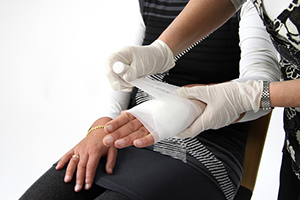 Repetitive motion injuries develop when the same motions are repeated frequently at work and gradually strain muscles, joints, tendons, ligaments, nerves, and other soft tissues.
These injuries can reduce productivity, require medical care or time off work, and sometimes lead to long-term problems if not addressed early.
This guide explains practical prevention steps you can use every day and suggests where to look for further, industry-specific resources like insurance storefronts for workplace risk management and coverage.
Key takeaways
- Small, consistent changes to posture and workstation setup greatly reduce risk.
- Frequent short breaks and varied tasks protect fatigued muscles and joints.
- Use proper lifting technique and ergonomic equipment whenever possible.
How it works
Repetitive tasks cause cumulative micro‑trauma: tiny stresses build up faster than the body can recover, producing inflammation, pain, and reduced function over time.
Risk increases with the force, repetition, awkward postures, and duration of the task, and individual factors such as previous injuries or inadequate rest also matter.
What it may cover (and what it may not)
Preventive measures reduce the chance you will need medical care or time away from work, and many employers include ergonomic programs or equipment in workplace safety plans.
If an injury does occur, Workers’ Compensation may cover medical treatment, rehabilitation, and certain wage replacement benefits, but coverage depends on local rules and the specifics of the injury.
Common mistakes to avoid
Ignoring early pain or “toughing it out” often makes a minor problem worse and prolongs recovery time.
Failing to vary tasks, skipping breaks, and using improper lifting mechanics are common contributors that can be corrected quickly.
Assuming one-size-fits-all equipment will work for every employee can leave ergonomic gaps; adjust chairs, tools, and workstations to individual needs.
Questions to ask an agent
Ask how workplace injuries are defined under your employer’s coverage and what documentation is required to report an incident.
Confirm whether there are resources or programs covered that support ergonomic assessments, training, or workplace modifications.
Next steps
Start with a simple checklist: improve posture, take five-minute breaks each hour, vary tasks, and follow safe lifting techniques to keep loads close to your body and use your legs when appropriate.
Consider industry-specific guidance and insurance resources such as Motion Picture Theaters (Except Drive-In) Insurance for workplace risk considerations or Lawn & Garden Equipment Manufacturing Insurance for machinery-related ergonomics guidance.
If you need to review coverage or file a claim, talk to an agent by selecting talk to an agent so you understand next steps and any available workplace safety resources.
Frequently Asked Questions
What are common early symptoms of repetitive motion injuries?
Early symptoms include mild pain, tingling, stiffness, or decreased grip strength in the affected area; addressing these signs early helps prevent progression.
How often should I take breaks to reduce risk?
Short breaks of about five minutes every hour to change position and stretch are a practical baseline for many repetitive tasks.
Are ergonomic chairs and mats worth the cost?
Ergonomic chairs, adjustable workstations, and anti‑fatigue mats can reduce strain and are often a cost‑effective investment in prevention.
When should I report symptoms to my supervisor or seek medical care?
Report persistent or worsening pain, numbness, or functional changes promptly so you can get an ergonomic assessment or medical evaluation if needed.