Overview
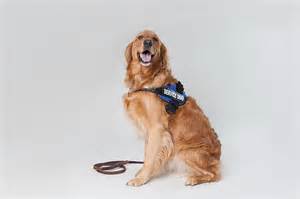 Service animals are working dogs individually trained to perform tasks that help people with disabilities. Typical tasks include guiding people who are blind, alerting people who are deaf, pulling wheelchairs, detecting seizures, or calming someone during an anxiety episode. Service animals are not pets, and their training must be directly related to the person’s disability.
Animals that provide only emotional support, comfort, or companionship generally do not meet the federal definition of a service animal. Employers, landlords, and transportation providers should evaluate requests for accommodations based on the task the animal performs rather than the animal’s presence alone.
Key takeaways
- Service animals are working dogs trained to perform specific tasks tied to a disability.
- Emotional support animals typically do not qualify as service animals under federal rules.
- Requests involving service animals are assessed by the disability-related task and reasonable accommodation obligations.
How it works
A service animal’s handler is responsible for the animal’s behavior and care. Public access rules generally require that a trained service animal be allowed where the public is permitted, unless the animal’s behavior poses a legitimate health or safety risk.
When an accommodation request involves a service animal, decision-makers may ask limited questions to determine whether the animal is a service animal and whether it is trained to perform a specific task related to a disability. They may not require documentation or demand detailed medical information.
What it may cover (and what it may not)
Policies and workplace practices should address where service animals are permitted, who is responsible for cleaning or damages, and how to handle interactions with other employees or customers. Coverage considerations may include liability for injuries caused by the animal and property damage caused by the animal while performing its role.
Insurance products and business practices vary. For businesses or programs that use animals for therapeutic activities, see Animal-Assisted Therapy Insurance to review options specific to therapy settings.
Common mistakes to avoid
- Assuming any animal labeled as a “service” animal is trained to perform a task; verify the task is disability-related.
- Asking for medical documentation or extensive proof beyond what is permitted by law.
- Failing to address reasonable safety or hygiene concerns by creating a clear, documented policy for animals on the premises.
Questions to ask an agent
Does our current liability policy include incidents involving service animals, or do we need an endorsement for animal-related exposures? For information about coverage options that address animal-related risks, consider reviewing relevant storefront resources such as Animal Breeders Insurance and broader topic guidance at Insurance topics: ADA service animals, product liability, PAYO workers' comp, digital reputation, construction subcontracting.
If you need help interpreting your policy language or comparing options, you can talk to an agent for a policy review and recommendations.
Next steps
Adopt a clear, written policy that explains how requests for service animals are handled, including behavior expectations and responsibilities for damages or cleaning. Train staff on appropriate questions and accommodations to reduce conflicts and ensure compliance.
Review your insurance coverage for animal-related liability and property exposure and consult an insurance professional to fill gaps specific to your activities or industry.
Frequently Asked Questions
What distinguishes a service animal from an emotional support animal?
A service animal is trained to perform a specific task directly related to a person’s disability; emotional support animals provide comfort but are not trained for specific tasks and generally do not qualify as service animals.
Can I ask for documentation that an animal is a service animal?
Generally, only limited questions about whether the animal is required because of a disability and what tasks it performs are permitted; documentation is not typically required.
Are businesses required to allow service animals everywhere?
Service animals are usually allowed in public areas, but a business may exclude an animal if it is out of control and the handler does not take effective action, or if the animal poses a direct threat to health or safety.
Who is responsible for damages or injuries caused by a service animal?
The handler is generally responsible, and business liability coverage should be reviewed to address potential incidents involving animals.