Overview
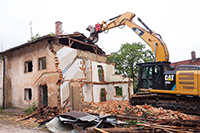
Demolition insurance covers the risks that come with intentionally tearing down structures or removing major building components. It is different from ordinary construction insurance because demolition can create unique exposures — falling debris, accidental damage to nearby utilities or buildings, and specialized equipment losses.
Even small errors during demolition can cause large third-party claims or public-works invoices, so contractors and property owners usually look for policies that explicitly address those risks.
Key takeaways
- Demolition projects create higher-than-normal liability and property exposures.
- Policies commonly combine general liability, equipment coverage, and pollution or debris-removal extensions.
- Municipal damage and utility interruptions are frequent concerns that may require specific coverage or bonds.
How it works
Insurers assess demolition projects by reviewing the site, methods (mechanical, controlled implosion, selective dismantling), nearby structures, and the schedule for work. That evaluation helps determine required limits, exclusions, and endorsements.
Typical policies may layer coverages so that a primary general liability policy handles routine third‑party claims while excess layers address catastrophic losses. Contractors should document plans, protective measures, and permit compliance to help secure appropriate terms and limits.
Specialized underwriting for blasting, drilling, or explosive work may be needed; for contractors who perform those services, consider a policy tailored to that exposure such as Demolition Contractor Insurance and Liability Coverage.
What it may cover (and what it may not)
Demolition-related insurance often includes general liability for third-party bodily injury and property damage, inland marine or equipment coverage for heavy machinery, and property coverage for loss to the contractor’s tools. Debris removal and site‑stabilization costs are frequently offered as endorsements.
Some policies provide limited coverage for damage to public infrastructure, but many municipalities expect contractors to accept responsibility or to carry specific bonds. For projects focused on building removal rather than routine wrecking, consider products made for dismantling operations such as Building Wrecking Operations Insurance.
Common exclusions include deliberate damage outside the insured scope, expected or intended injury, and some pollution or asbestos exposures unless those risks are specifically added back by endorsement.
Common mistakes to avoid
Failing to disclose the demolition method or nearby risks can lead to denied claims or inadequate limits. Always tell your insurer if you plan to use explosives, heavy rigging, or work close to occupied structures.
Assuming municipal property is automatically covered is another frequent error; verify whether the city or utility holds responsibility and whether your policy or a separate bond is required. Missing required permits or not maintaining written safety plans can also jeopardize coverage.
Questions to ask an agent
Ask what limits and endorsements are standard for demolition projects and whether debris removal, pollution, or utility-damage coverages are included or available as options.
Ask whether your schedule of operations, methods, and equipment are acceptable under the proposed policy, and whether certificates or bonds will be required by the property owner or municipality.
Next steps
Before work begins, assemble your project documents: permits, engineering plans, traffic-control measures, and a list of heavy equipment and subcontractors. Those materials speed underwriting and reduce surprises at claim time.
If you need coverage for specialized tasks or a performance or public-works bond, review options such as Demolition (Bond) and discuss required limits and exclusions with your insurance representative.
When you are ready to compare quotes or review policy language, talk to an agent who understands demolition exposures and local permit requirements.
Frequently Asked Questions
Do standard contractor liability policies cover demolition work?
Not always; many standard policies have exclusions or require endorsements for demolition, especially for high‑risk methods like implosion or blasting.
Who pays for damage to public utilities or roads caused during demolition?
Responsibility can fall to the contractor or property owner; many municipalities require contractors to carry specific bonds or to accept financial responsibility for repairs.
Is debris removal included in demolition insurance?
Debris removal is often available as an endorsement but is not always included in base policies, so confirm coverage limits and conditions beforehand.
Should subcontractors named on a demolition job have their own insurance?
Yes; require certificates of insurance from subcontractors to ensure they carry appropriate liability and equipment coverage for their work.