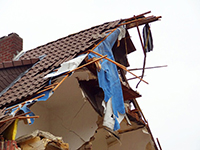
Overview
Demolition work can look dramatic and fast, and even planned implosions depend on precise sequencing, the right charges, and careful removal of load-bearing elements. Mistakes during demolition — from using the wrong amount of explosive to clearing the wrong house — can cause complete structural collapses, property loss, injuries, and liability disputes.
This guide explains how demolition risks are managed, what insurance and financial protections may apply, common site errors that lead to accidents, and practical next steps for property owners and contractors.
Key takeaways
- Demolition involves both planned hazards (explosives, fall risks) and human errors (wrong address, weakened structures).
- Specialized coverage and bonds exist to shift financial risk from property owners and contractors to insurers or sureties.
- Clear communication, accurate permits, and proper pre-work surveys reduce the most common mistakes.
How it works
Before any demolition, crews perform surveys to locate utilities, check structural integrity, and set up exclusion zones to protect bystanders. For larger structures, controlled implosion or staged weakening is used so the building falls safely into a preplanned footprint.
Contractors typically follow a sequence that includes selective deconstruction, placement of charges or mechanical removal, debris handling, and verification that neighboring structures and infrastructure remain sound.
What it may cover (and what it may not)
Insurance and project safeguards vary by situation. General liability and builders risk policies can cover third-party property damage and some onsite losses, while specialized policies address the unique risks of demolition and wrecking operations.
For project-specific financial protection such as payment or performance guarantees, see Demolition (Bond) for details on bond options that contractors or owners might be required to obtain.
Contractors who focus on tearing down structures can carry tailored liability coverage; for more on that coverage, see Building Wrecking Operations Insurance. Note that not all policies cover negligent acts, intentionally unsafe practices, or pre-existing structural defects unless endorsements are added.
Common mistakes to avoid
Misidentifying the work site or demolishing the wrong address is a surprisingly frequent clerical error that can create catastrophic loss and legal exposure.
Using too little or too much explosive charge, or altering the planned sequence, can leave a structure partially standing and unstable, increasing risk to workers and the public.
Failing to cordon off a safe perimeter, neglecting to notify neighboring property owners, or not verifying utility shut-offs can produce avoidable injuries and secondary damages.
Poor documentation and unclear contracts can make it difficult to determine responsibility after an accident, which slows recovery and complicates insurance claims.
Questions to ask an agent
- Does the contractor carry coverage specific to demolition or wrecking operations, and what are the limits?
- Are performance or payment bonds required for this job, and what do they guarantee?
- Does the policy cover third-party property damage, debris removal, and emergency stabilization?
- What endorsements or exclusions should I watch for if explosives, controlled implosion, or adjacent-structure risks are involved?
Next steps
If you are hiring a demolition contractor, verify licensing, permits, and insurance certificates before work begins, and require a written scope and hold-harmless provisions where appropriate.
Document the property condition with photos, confirm the contractor's mitigation and communication plans, and verify that bonds or special coverage are in place when required. If you need formal pricing or want to compare options, consider asking your agent by choosing to talk to your agent about demolition-related protections.
Frequently Asked Questions
What should I do immediately after a mistaken demolition?
Contact local emergency services if anyone is injured, document the scene with photos, notify your insurer, and preserve records of contracts and communications for claims.
Can a standard homeowners policy cover accidental demolition damage?
Standard homeowners policies often exclude contractor operations or may limit coverage; specialized policies or endorsements are commonly needed for demolition risks.
When is a bond required for demolition work?
Bonds are often required on public projects or when a lender or owner requires financial assurance that the contractor will complete work and pay subcontractors.
How can neighboring property owners protect themselves during nearby demolition?
Ask for proof of the contractor’s insurance, confirm exclusion zones and notification plans, and document any preexisting damage to simplify later claims if needed.