Overview
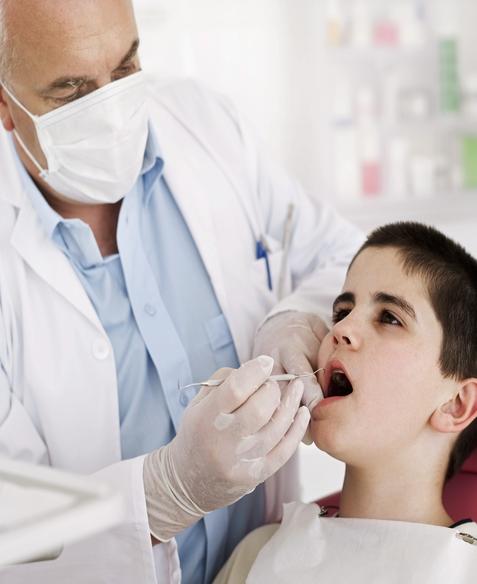 A child’s first dental visit is a simple, preventive check that helps set the foundation for lifelong oral health. Pediatric dental organizations generally recommend scheduling the first exam by the time a baby’s first tooth appears or by about six months of age, whichever comes first.
The initial visit is typically non-invasive: the dentist reviews medical history, answers caregiver questions, examines gums and any erupted teeth, and provides guidance on feeding, cleaning, and fluoride use.
Key takeaways
- Bring your child to a dentist early—around the first tooth or by six months—to establish care and preventive habits.
- Choose a pediatric dentist when possible; their offices and staff are trained for infants and young children.
- Daily home care and regular preventive visits reduce the risk of early tooth decay.
- Check your dental coverage and ask an agent about specifics for pediatric preventive care.
How it works
The first appointment is short and focused on familiarizing the child with the dental office and staff while assessing oral development. The dentist will feel the gums, count teeth, and check for any early signs of decay or developmental concerns.
Caregivers should bring a list of medications, the child’s medical history, and any questions about feeding, pacifier use, or thumb-sucking. The dentist or hygienist will demonstrate cleaning techniques and recommend a brushing routine suitable for the child’s age.
If you manage supplies or clinical equipment for a practice or related business, you may find resources about coverage for professional operations at Dental Laboratories and Supplies Insurance.
What it may cover (and what it may not)
Preventive visits for infants and toddlers usually include an oral exam, risk assessment for tooth decay, caregiver education, and recommendations for fluoride and topical treatments when appropriate. Many dental plans cover routine pediatric preventive visits, but benefits vary by policy.
Coverage often differs for diagnostic X-rays, restorative work, and specialized treatments; policies may require waiting periods or prior authorization for major procedures. Review your plan details and, if you need personalized help, consider contacting a licensed professional to talk to an agent about your policy options.
If you oversee programs that serve children and need broader organizational coverage, consider guidance on risk protection at Children's Camps Insurance: Safeguarding Adventures.
Common mistakes to avoid
- Waiting too long to schedule the first visit—early preventive care is important even before many teeth erupt.
- Using adult toothpaste or too much fluoride for an infant; follow age-based toothpaste recommendations from your dentist.
- Skipping routine cleanings and checkups because a child appears healthy—decay can start without obvious symptoms.
- Brushing off caregiver anxiety—children take cues from adults, so stay calm and make visits positive.
Questions to ask an agent
- Does my plan cover routine pediatric dental exams and cleanings for infants and toddlers?
- Are there age-related limits, waiting periods, or prior authorizations for pediatric dental services?
- Which preventive services are covered in full, and what costs should I expect for diagnostics or restorative care?
- How are emergency visits handled for young children, and does my policy include a network of pediatric dentists?
Next steps
Schedule an appointment with a pediatric dentist or a general dentist experienced with infants to ensure the first visit happens around the first tooth eruption. Bring your child’s records and any questions about feeding, fluoride, or oral habits to the appointment.
Establish a gentle home routine: wipe gums after feedings and begin brushing with a soft brush once teeth appear. Keep a list of questions and, if you need help reviewing coverage or comparing plans, you can talk to an agent for personalized assistance.
Frequently Asked Questions
When should I schedule my baby’s first dental visit?
Schedule the first visit by the first tooth eruption or around six months of age to establish preventive care and early monitoring.
What happens at the first dental appointment?
The dentist will review history, examine gums and any teeth, demonstrate cleaning methods, and advise on feeding and fluoride use.
Should I choose a pediatric dentist?
Pediatric dentists specialize in treating infants and children and provide a child-friendly environment, but general dentists can also deliver excellent early care.
How can I prevent early tooth decay?
Clean your baby’s gums after feedings, avoid putting the child to bed with a bottle, and start brushing with an age-appropriate toothbrush when teeth emerge.