Overview
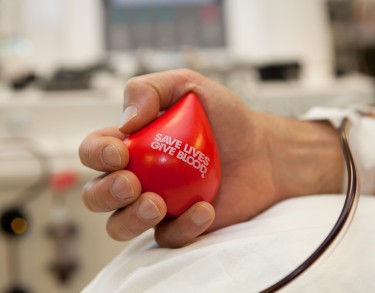 Hosting a company blood drive is a practical way for an employer to support the local community while engaging employees in a shared volunteer activity.
A single donation can help multiple patients, and organizing an on-site drive makes it easier for staff and visitors to give.
Well-run drives require minimal space, basic coordination with a certified blood collector, and clear communications to encourage participation and ensure donors meet health-screening requirements.
Key takeaways
- One pint of donated blood can save multiple lives, making workplace drives highly impactful.
- Successful drives combine advance planning, staff outreach, and simple donor support like hydration and snacks.
- Employers should consider logistics and basic liability questions before hosting an event.
How it works
Start by contacting a licensed blood-collection organization to schedule the date, time and space requirements.
The collector typically supplies trained staff, equipment, screening forms and temporary consent processes. On the drive day, donors check in, complete a brief health questionnaire and undergo a short screening.
After donation, donors rest for a few minutes, have refreshments and receive aftercare instructions for recovery and follow-up.
What it may cover (and what it may not)
Hosting a blood drive generally involves coordinating space, communicating with employees and arranging for post-donation refreshments. Employers often provide a reserved room, sign-up systems and light snacks but do not perform medical tasks.
For guidance about event-related coverage and potential equipment considerations, see Workplace Events, Conflict Management, and Equipment Insurance Considerations.
Employers should clarify whether worker compensation, general liability, or premises insurance covers volunteers or visitors during the event and confirm that the blood-collection partner maintains its own medical liability insurance. For policy options that may apply to event hosts, see Pick Your Own (PYO) Insurance.
Common mistakes to avoid
- Underestimating space and setup needs—ensure a private screening area and comfortable donor chairs.
- Poor communication—promote the drive in advance, explain eligibility requirements and provide a simple sign-up process.
- Insufficient donor support—encourage hydration and iron-rich meals beforehand and provide snacks afterward to reduce fainting or dizziness.
- Failing to confirm insurance and liability responsibilities—clarify roles with the blood-collection organization before the event.
Questions to ask an agent
Will our existing policies provide coverage for visitors and volunteers participating in a blood drive on company premises?
Are there recommended endorsements or certificates of insurance we should request from the blood-collection partner? If you expect public participants or hosted activities, you may also want to review Tournament Hosts Insurance.
Do we need to document waivers or releases for non-employees, and how should those be stored for records?
Next steps
Choose a target date and contact a reputable blood-collection organization to reserve staffing and equipment. Build a simple schedule with time slots to reduce wait times and increase donor throughput.
Promote the event through internal channels and invite customers or vendors if you plan to open the drive to the public. For ideas about organizing workplace celebrations and balancing events with operational needs, review Office Holiday Celebrations: Pros and Cons. If the drive will be open to the public or combined with larger activities, consider coverage described in Sporting Events Insurance.
If you need help confirming coverage or want to review policy options with a professional, talk to an agent before finalizing logistics.
Frequently Asked Questions
Can any employee donate blood at a workplace drive?
Most healthy adults can donate, but eligibility depends on factors like recent travel, medications and hemoglobin levels, which the blood-collection organization screens on site.
Should an employer provide paid time off for employees who donate?
Paid time for donation is a workplace policy decision; many employers offer short paid breaks to encourage participation and reduce scheduling conflicts.
Who is responsible if a donor experiences a complication?
The blood-collection organization normally manages medical screening and adverse events, but employers should confirm responsibilities and insurance arrangements beforehand.
What prep should donors do before giving blood?
Donors should drink extra fluids, eat a healthy meal with iron-rich foods beforehand and bring photo ID to the appointment.