Overview
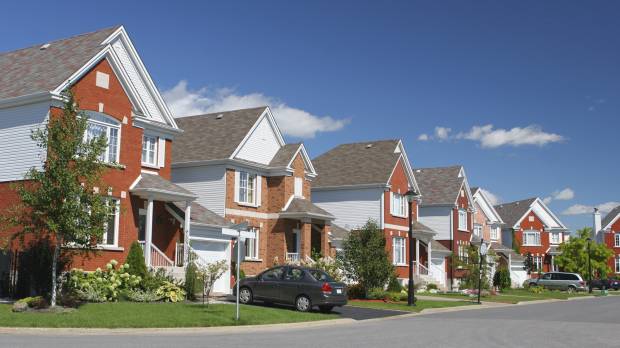 Simple, low-cost measures can greatly reduce the chance of a burglary. This article summarizes practical steps homeowners can take to make a property a less attractive target and reduce loss if a break-in occurs.
Key takeaways
- Most break-ins are opportunistic; reducing easy access deters many thieves.
- Visibility, good locks, and neighborhood coordination are high-impact, low-cost defenses.
- Maintain landscaping and conceal valuables to limit temptation and hiding places.
- Review both physical security and insurance coverage as complementary protections.
How it works
Burglars often look for quick, low-effort gains. Securing typical entry points—front and back doors, ground-floor windows, garage doors, and basement access—reduces opportunities for a quick in-and-out theft.
Simple deterrents such as timed lights, interior lights left on, and radios playing can create the appearance of occupancy and discourage intruders. For property owners who also manage business locations or mixed-use sites, additional guidance is available in Business and Home Security: Risks and Best Practices.
What it may cover (and what it may not)
Physical measures like stronger doors, better locks, and reinforced windows lower risk but do not guarantee prevention. Homeowners insurance may cover theft of covered personal property and certain damages from forced entry, but coverage specifics and limits vary by policy.
Some specialty risks—such as loss of business inventory stored at home or items held for others—may require separate or supplemental policies to be fully protected. If your property use includes care or services at home, review relevant security considerations with a knowledgeable source like Home Health Care Security. Examples for specialized property uses can be found in Lumberyards Insurance Overview.
Common mistakes to avoid
- Leaving doors and windows unlocked, including secondary entries such as basements and attic access.
- Keeping valuables in plain sight from windows or leaving expensive items unattended in driveways.
- Overgrown landscaping that creates hiding places near windows and doors.
- Assuming a basic lock is sufficient—upgrading to solid-core or steel doors and quality deadbolts is more secure.
Questions to ask an agent
Which types of theft and property damage does my homeowner policy cover, and what are typical limits or exclusions?
Do I need additional coverage for items of high value, business property, or equipment stored on the premises?
Are there discounts available for security upgrades, neighborhood watch participation, or monitored alarm systems, and what documentation is required?
For owners of specialty properties or those with unique storage needs, see resources such as Lumberyards Insurance for examples of tailored coverage considerations. For local benchmarking and program examples, review the Benchmark insurance program.
Next steps
Create a simple checklist: lock all entry points, trim shrubs, secure valuables out of sight, and arrange for regular mail pickup while away. Consider inexpensive upgrades—better locks, window pins, and motion-sensor lighting—to raise the effort required for entry.
If you want a quick way to discuss insurance or coverage options, contact a licensed representative by using the phrase ask an agent to compare policy features and limits.