Overview
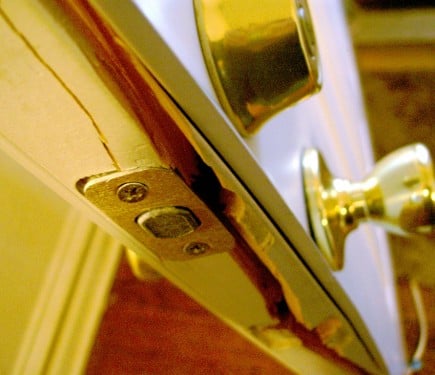
Simple changes to your yard can reduce the chance your home is targeted by burglars. Crime Prevention Through Environmental Design (CPTED) focuses on altering landscaping and exterior features so your property is less inviting to intruders.
This guide explains practical, low-cost steps you can take around the house and how those steps interact with other protections like hiring services or checking coverage for outdoor work and equipment.
Key takeaways
- Clear sightlines and trimmed foliage reduce hiding places and make suspicious activity more visible.
- Lighting and thorny plants create deterrents that increase the effort a thief must make to approach your home.
- Maintain signs of occupancy (mowed lawn, cleared entry) to discourage opportunistic burglars.
How it works
CPTED reduces opportunities for crime by changing the environment so that trespassers are more visible and face physical obstacles. Trimming shrubs, removing low branches, and maintaining open sightlines to the street or neighboring homes all reduce places to hide.
Strategically placed motion-activated or dusk-to-dawn lights increase the perceived risk for someone approaching your property after dark. Aim lights at entryways, pathways, and garage doors rather than into neighbors' windows to avoid nuisance lighting.
If you hire help for regular yard maintenance, consider reviewing options for business or service-related protections; for example, providers can learn about Lawn Care and Landscaping Services Insurance when they perform routine work on your property.
What it may cover (and what it may not)
Landscaping changes and small barriers are designed to deter casual, opportunistic thieves by increasing visibility and physical effort. These measures are effective at preventing many common break-ins.
However, no landscaping alone can guarantee prevention of determined criminals or remove all risk. Combine environmental changes with locked doors, secure windows, and neighborhood awareness for better overall protection.
Common mistakes to avoid
- Planting tall shrubs or trees directly in front of entryways, which can conceal someone at the door.
- Placing large decorative rocks, ladders, or equipment near walls that could be used to climb to upper windows.
- Installing bright, poorly aimed lights that create deep shadows or annoy neighbors instead of improving visibility.
- Leaving long grass, uncollected mail, or other signs that the home is unoccupied for extended periods.
Questions to ask an agent
If you operate a yard or storage business, be sure to discuss industry-specific protections; resources exist for related operations such as Lumberyards Insurance and Impound Yard Insurance.
When reviewing insurance or risk for outdoor property and equipment, ask about coverage for theft of items stored outdoors and liability for hired workers. You can also choose to ask your agent about whether specific activities or stored materials affect your policy.
Next steps
Walk the perimeter of your property at dusk and during the day to note hiding spots, low branches, and dark corners. Make a short checklist for pruning, lighting adjustments, and removing potential handholds or climbing aids.
Prioritize small changes you can complete in a weekend, such as trimming bushes under windows, installing baffle-style lighting, and moving stored ladders into a locked shed. For longer absences, arrange regular lawn care or ask a neighbor to monitor the property.
Frequently Asked Questions
How often should I trim shrubs and trees to reduce hiding spots?
A seasonal check—about every 6–8 weeks during the growing season—is a practical schedule, with an extra inspection before long trips.
Are thorny bushes a good option under windows?
Yes; thorny plants like roses can deter casual entry, but choose varieties suited to your climate and avoid obstructing sightlines for neighbors or cameras.
What kind of outdoor lighting works best for security?
Motion-activated fixtures and well-aimed soft floodlights that illuminate paths and entries without creating blinding glare are typically most effective.
Will a maintained lawn actually reduce burglary risk?
Visible upkeep signals occupancy and attention to the property, which can deter opportunistic criminals who prefer neglected homes.