Overview
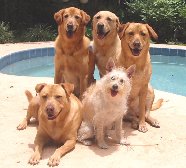 Choosing a shelter dog is a great way to add a companion to your home, but certain breeds and mixed breeds are treated as higher risk by many insurers. Insurers consider factors such as size, bite history, and breed tendencies when setting premiums and deciding policy terms. If you plan to keep a protective or high-risk animal, check Guard (Dangerous) Dog Liability Insurance for options that may help cover liability concerns.
Key takeaways
- Some dog breeds and mixes can affect homeowners insurance premiums or coverage availability.
- Insurers evaluate risk based on claims history, temperament, size, and training rather than breed name alone.
- There are insurance options and risk-reduction steps owners can take to limit premium increases.
How it works
Homeowners insurers assess dog-related risk primarily through past claims, known breed statistics, and the animal's history. A dog with a bite or attack record is more likely to trigger higher premiums, exclusions, or a requirement for specific liability limits.
For owners who run a boarding or kennel business, or who regularly house multiple dogs, different coverages and underwriting rules apply; commercial products exist to address those exposures, such as Dog Kennels Insurance.
What it may cover (and what it may not)
Standard homeowners liability can cover bodily injury or property damage the dog causes to others, up to policy limits. Some policies also include limited medical payments for minor injuries caused by your pet.
However, insurers may exclude certain breeds entirely, place higher liability limits, or refuse coverage if the dog has a serious bite history. Size alone can affect payouts for property damage or bodily injury because larger dogs can cause greater harm.
Common mistakes to avoid
Assuming all shelter dogs are low risk is a mistake; mixed breeds can carry traits that insurers consider higher risk. Always disclose your dog honestly when applying for or renewing a policy.
Another common error is failing to document training, neutering/spaying, and vaccination records; these can reduce perceived risk and sometimes lower premiums. Not asking about breed-specific exclusions before adopting can lead to coverage surprises later.
Questions to ask an agent
Before adopting, ask your insurer or agent:
- Will this dog affect my homeowners policy or premium?
- Are there breed or size exclusions I should know about?
- What liability limits and deductibles apply to dog-related claims?
- Are there risk-reduction steps (training, fencing, muzzling in public) that would lower my cost?
Next steps
If you already own or plan to adopt a dog that might be considered higher risk, document training and behavior evaluations, keep vaccination records current, and consider safety measures such as secure fencing and supervised interactions with children and other animals.
Owners of breeding or multiple-dog households may need specialized coverage; one option to explore is Animal Breeders Insurance to protect business exposures. When in doubt, review policy terms and limits and talk to an agent about how a new pet could affect your coverage.
Frequently Asked Questions
Will my homeowners insurance refuse to cover me because of my dog?
Some insurers may exclude specific breeds or require higher liability limits, but many will offer coverage with conditions or endorsements; disclosures are essential.
Can training or neutering reduce my insurance risk?
Yes. Documented obedience training and neutering can lower perceived risk and may help when negotiating policy terms.
Does size matter when insurers evaluate dogs?
Size can matter because larger dogs can cause more severe injuries, which may influence premiums and liability limits.
Are there insurance options for people who board or breed dogs?
Yes. Commercial products such as kennel or breeder insurance are designed for businesses and different household exposures.