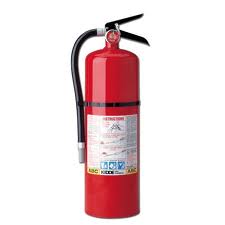
 Your maintenance schedule should include annual fire extinguisher checks and replacements. Since you check your smoke detectors monthly, you can split the building into four fire zones and service one zone per quarter if budgeting is an issue.
Contract a professional service to inspect and recharge fire extinguishers; a trained technician will identify damaged units and perform required recharges or hydrostatic tests. For information on refilling and servicing options, see Fire Extinguisher Refilling Insurance. For testing and periodic checks, see Fire Extinguisher Testing Insurance.
Place extinguishers near likely ignition sources — for example, cooking tops or welding areas — and keep them unobstructed and clearly visible. Below are practical tips to make your workspace safer and easier to defend in case of a small fire.
Placement and use tips
- Think in terms of space. A fire extinguisher every 40 feet means each unit covers about 1,200 square feet and ensures you never need to move more than 20 feet to reach one; many codes allow travel distances up to 50–75 feet.
- Fire extinguishers serve two main purposes: putting out small fires before they spread and creating a safe path to an exit. Do not exhaust the supply when clearing an exit route.
- Avoid mounting extinguishers where they block exits. Mount them on a wall within ten feet of doors so they can be used to clear debris without impeding egress.
- Hang clear arrow signs above or near extinguishers so they are easy to locate; in an emergency there is no time to search.
- Install extinguishers at chest height for easy handling and lifting. Don’t force users to bend to retrieve them—design for quick response.
- If a fire cannot be controlled with one extinguisher, evacuate the building immediately and call emergency services.
Emergency equipment must be easy to find and in good working order; when you need it, it’s too late for maintenance. For guidance on small-business compliance and servicing, see Fire Extinguisher Safety and Compliance for Small Businesses. If you need help implementing a program or scheduling service, talk to an agent.
Frequently Asked Questions
How often should fire extinguishers be inspected?
Basic visual inspections should be done monthly and a professional inspection or maintenance should be scheduled annually.
Where is the best place to mount a fire extinguisher?
Mount extinguishers on a visible wall within ten feet of exits or near likely ignition sources, at about chest height for easy retrieval.
Can I replace an extinguisher instead of recharging it?
Yes; depending on age, condition, and replacement costs, replacing an older unit can be more cost effective than recharging—have a professional advise you.
When should I evacuate rather than try to fight a fire?
If the fire is spreading, you don’t have a clear path to an exit, or you cannot control it quickly with one extinguisher, evacuate immediately.