Overview
Construction equipment comes in many forms: towed trailers, truck-mounted cranes, crawler cranes, compressors, concrete mixers, and welding rigs. Some units are self-propelled and driven from site to site, while others must be loaded onto trailers for transport.
How an item moves affects what kind of insurance applies and whether it is treated as a vehicle or as mobile equipment under your policy. To understand the options for insuring pieces that both drive and are carried, detailed policy review is often needed; for example, information on specialized coverage can be found at Construction Equipment and Safety Insurance.
Key takeaways
- How equipment moves (self-propelled vs. towed) affects whether it is insured as an automobile or as mobile equipment.
- Liability and physical damage coverages differ between trailers, truck-mounted units, and permanently mounted machinery.
- Documenting each item and reviewing policy definitions prevents gaps when equipment is relocated.
How it works
Insurers classify equipment by its primary function and mobility. A truck with a permanently attached crane is often treated differently from a crane that must be transported on a trailer.
That classification determines whether commercial auto cover or equipment-specific policies respond after an incident. Policies will also distinguish between on-road exposure (driving between sites) and on-site operation.
What it may cover (and what it may not)
Typical coverages to consider are liability for third-party injury or damage, physical damage to the equipment itself, and on-site liability while equipment is operating. Coverage limits, deductibles, and exclusions vary by contract and by the type of machine.
Some policies exclude equipment while it is being transported unless a specific endorsement is added, and others exclude professional operations tied to specialized attachments. For guidance tailored to trucks, loaders, and similar machines, review Insurance for Trucks, Tractors, Loaders, and Similar Equipment.
Common mistakes to avoid
Assuming a single commercial auto policy covers all mounted equipment is a frequent error; mounted attachments may need separate or endorsed coverage. Another mistake is failing to update the insurer when equipment is modified, sold, or permanently mounted to another chassis.
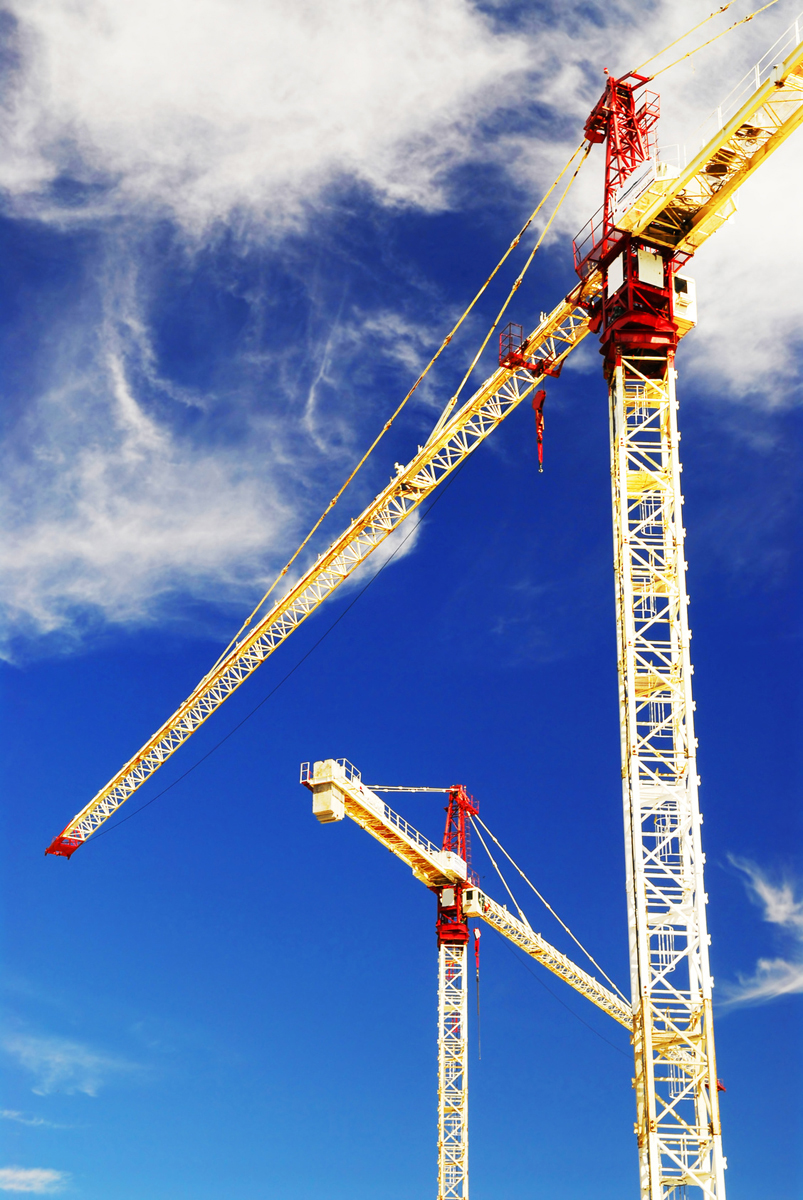
Ignoring specialized exposures for cranes and lifting gear can leave substantial gaps. For dedicated guidance on crane-related insurance considerations, see Crane Insurance Overview.
Questions to ask an agent
What classification will you give each item on my inventory, and how does that affect liability and physical damage coverages?
Are there endorsements available that cover transport, attachments, or temporary off-site use? Also ask about rental reimbursement for critical equipment downtime.
What documentation will you need when equipment is moved or changed to keep my policy current?
Next steps
Make an up-to-date inventory that lists how each item is moved, whether it is self-propelled, permanently mounted, or trailer-transported. Note VINs or serial numbers and typical usage scenarios for each piece of equipment.
Review your current policy declarations and exclusions with an insurance professional and, when ready, talk to an agent who can help match coverages to the way your equipment actually operates.
Frequently Asked Questions
How do insurers decide if a piece of equipment is a vehicle or mobile equipment?
Classification is based on design and primary use: equipment designed for travel on public roads is often treated as an automobile, while jobsite-only machinery is treated as mobile equipment.
Will my commercial auto policy cover a crane mounted on a truck?
Sometimes, but coverage depends on policy definitions and endorsements; many carriers require specific language to cover mounted cranes for both driving and operation.
Do I need physical damage coverage for rented equipment?
Yes, rented equipment often needs either the renter’s own physical damage coverage or contractual protection specified in the rental agreement.
What documentation is helpful when adding equipment to a policy?
Provide make, model, serial number or VIN, how it is moved, where it is stored, and typical usage to ensure accurate coverage and premium calculations.