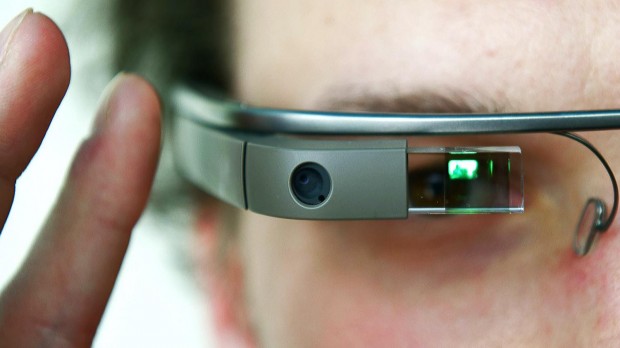
 It may seem like the stuff of a James Bond movie, but today's wearable tech — from smart glasses and AR headsets to fitness bands and posture-correcting belts — is about more than staying connected: it can also pose serious cybersecurity risks to your company. The sales and use of wearables continue to grow, so taking steps now to be prepared makes good sense.
Before implementing changes, consider purchasing Security Audit Insurance to help assess gaps and document your risk-management steps.
Practical steps
- Consider banning them — but do so at your own peril. Many employees view wearables as part of their daily routine, especially devices that support healthy habits. An across-the-board ban can hurt morale and may eliminate productivity benefits.
- Specify which wearables may and may not be used. Craft the policy carefully to cover current and anticipated devices, and update it as technology evolves. Notify employees whenever you make changes.
- Educate employees on why you’re establishing a policy. Many users may not recognize the risks — for example, accidentally (and illegally) recording or transmitting sensitive company data when a device connects to the Internet. Some wearables can act as surveillance equipment, relaying audio or video to services that could be hacked.
- Create a separate network specifically for wearables. This requires investment in equipment and relies on employees choosing the correct network while at work, but it limits exposure to core systems.
- Track everything. Implementing MAC filtering and an approved-device registry lets you keep track of what’s connected and what data is transmitted. Inform employees ahead of time to reduce privacy concerns.
If your business works with external security staff or contracted services, review options like Security Agencies Insurance as part of an overall risk plan.
Whatever steps you take, make sure the system you adopt is simple to follow and that employees stay educated and up to date. If you need help implementing a wearable-device policy, consider talking with an advisor or talk to an agent to review your options.
Frequently Asked Questions
Can an employer ban wearables in the workplace?
Yes, employers can restrict or ban wearable devices, but they should weigh privacy, morale, and productivity impacts and communicate policies clearly.
What are the biggest security risks from wearables?
Main risks include accidental recording, data leakage via cloud services, insecure wireless connections, and devices that can be compromised and used for surveillance.
How can I limit wearable-related risks without banning devices?
Use separate networks for IoT/wearables, require device registration, enforce strong authentication, and provide employee training on safe use.
Do employers need to notify employees before monitoring wearable devices?
Yes, employers should inform employees about any monitoring or tracking to address privacy concerns and comply with workplace policies and local rules.