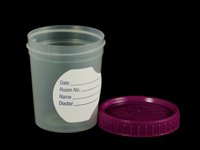
According to statistics from the United States Department of Labor, 40% of industrial fatalities and 47% of individual injuries received on the job are due to intoxication from alcohol.
This, combined with businesses losing five hundred million workdays and over eight billion dollars each year, underscores that alcoholic- and drug-dependent employees create serious hazards and liabilities for employers.
These workers drain productivity and slow economic growth. The risks are not limited to jobs with heavy machinery; many employees also handle sensitive company information, and mishandling that information creates added liability for employers.
Contrary to common belief, research shows employees with alcohol- or drug-related problems often seek out smaller businesses with no formal written policy prohibiting substance use.
The total population of illicit drug users is estimated to be just under fifteen million, and about 77% of that group is employed.
Of employed heavy drinkers, only 17% work for companies with rosters of five hundred or more employees. The best way to protect the workplace is a strict company policy against substance abuse combined with a Drug-Free Workplace program.
Every program should include five core components to succeed: Drug and Alcohol Testing Insurance, employee education, employee assistance, a clear written policy, and supervisor and manager training.
The formal written policy should be prominent and written in clear, understandable language. It must describe prohibited behaviors, explain consequences, and state that the program exists for employee safety, well-being, and to limit profit loss and liability from workplace injury.
Supervisor and manager training is necessary because supervisors directly influence the workforce. Training should distinguish between observing performance issues and diagnosing substance abuse; supervisors should learn to recognize poor performance and possible symptoms of substance use and to refer employees to help when appropriate.
Employee education should explain the personal and professional consequences of addiction and the specifics of the company’s policy and available assistance.
Employers should offer clear referral paths and connections to treatment resources, including local treatment providers and Substance Abuse Centers Insurance options when treatment is needed.
Because drug testing raises legal and privacy questions, the Department of Labor recommends obtaining legal counsel before implementing a testing program and offers resources to help employers design compliant programs.
If you need guidance implementing a workplace program or policy, talk to an agent.
Frequently Asked Questions
How common are workplace injuries related to alcohol and drugs?
Data from federal sources indicate a significant portion of workplace injuries and fatalities are associated with alcohol impairment, making prevention important for safety.
What are the essential elements of an effective drug-free workplace program?
An effective program typically includes a clear written policy, education, supervisor training, employee assistance and a sound testing process.
Should employers require legal review before starting drug testing?
Yes. Because testing and disciplinary steps can have legal implications, it's advisable to consult legal counsel to ensure compliance with applicable laws.
How can employers help employees who are struggling with substance use?
Employers can provide confidential referrals to counseling and treatment, offer employee assistance programs, and connect workers with appropriate local treatment resources.