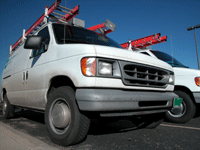
An accident or breakdown of a company vehicle can reduce productivity and damage a company's reputation if shipments are late or appointments are missed. A simple way to reduce breakdowns and accidents is ongoing preventative maintenance.
Preventative maintenance supplements regularly scheduled oil changes and tune-ups. It happens when a driver notices a potential issue and reports it to the maintenance department before the vehicle is disabled.
No one knows company vehicles better than the drivers, so they share responsibility for ensuring preventative maintenance occurs. Below are steps to properly maintain company vehicles.
The Daily Pre-Drive Checklist.
- The functionality of the service, parking, emergency, and trailer brake systems.
- Integrity of the wheels, tires, and rims.
- The condition of the horn, reverse alarm, windshield wipers, headlights, brake lights, reverse lights, steering wheel and turn signals.
- Visibility and effectiveness of the windshield, side windows, rearview and side view mirrors, side markers, dashboard instruments, and reflectors.
- Examine the cleanness of the exhaust system and the ability of the vehicle to idle without stalling.
- The presence of a safety kit including flares, reflectors, first aid kit, fire extinguisher, tools to assist with minor repairs while on the road, and any industry-specific safety items; check the cleanliness and effectiveness of each item.
Daily Incident Reports When Necessary.
Despite the daily checklist, some problems appear only after you begin driving. If you notice any problem while driving, report it to the maintenance department immediately so the vehicle can be repaired before it endangers others or is taken out of service.
Be sure to document the signs of the problem, when it occurred, and any unusual driving conditions that day.
If you have a minor accident while driving, report it immediately. Even with no visible damage or injuries, complete an incident report and inform the maintenance department.
For additional guidance on preventing liability and reducing workers' compensation claims through proper upkeep, see Reducing Liability and Workers Compensation Claims Through Proper Maintenance.
For more on routine fleet upkeep and why maintenance matters for vehicle reliability, see The Importance of Fleet Maintenance.
Additional resources include Vehicle and Equipment Maintenance Facilities/Waste Industry Pollution Program.
Also see Power Line Maintenance Insurance for related fleet-maintenance guidance.
Following these guidelines helps companies remain productive and profitable while keeping employees safe and customers satisfied. If you need help implementing a program, talk to an agent.
Frequently Asked Questions
How often should drivers complete the pre-drive checklist?
Drivers should complete the checklist every workday before operating the vehicle to catch issues early and prevent breakdowns.
What should be included in an incident report after a minor accident?
Document the date, time, location, vehicle symptoms, any visible damage, and notes about weather or road conditions.
Who is responsible for repairing reported maintenance issues?
The maintenance department or designated repair team should address reported issues promptly to keep vehicles safe and in service.
Are small on-road repairs allowed for drivers to perform?
Only perform minor, approved safety repairs if trained and equipped; otherwise report the problem and wait for maintenance personnel.