Overview
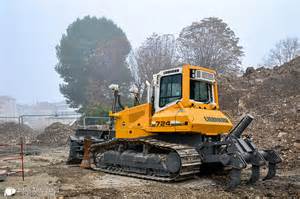 Proper, regular maintenance reduces the chance of equipment failure, injuries and costly downtime on job sites. Daily checks, routine servicing and prompt repair of defective tools and machinery help prevent accidents that can lead to liability claims and workers' compensation costs.
Key takeaways
- Daily pre-use inspections catch small problems before they cause major accidents.
- Maintaining documentation and training employees strengthens safety and can reduce liability exposure.
- Simple checks of brakes, tires, electrical cords and PPE significantly lower the risk of serious incidents.
How it works
Start each shift with a short, standardized pre-check list for vehicles, mobile equipment and hand tools. Include fluid levels, brakes, batteries, tire or track condition, hydraulic systems and visible wiring or cord damage.
Train employees to inspect their own PPE and tools for fit and obvious defects before use, and require a supervisor or designated person to perform a site perimeter walk to verify fencing, spill containment and fueling areas are secure.
Keep written records of inspections, maintenance and repairs. A clear record shows proactive risk management, helps spot recurring failures, and supports loss-control discussions with insurers; for examples of coverage and equipment concerns by industry, see Poultry and Swine Property and Equipment Insurance.
What it may cover (and what it may not)
Insurance can cover property loss from equipment failure, third-party liability from accidents, and medical or wage-related workers' compensation costs when injuries occur. Coverage limits and exclusions depend on policy language and the insured's maintenance practices.
Policies typically do not cover losses caused by deliberate neglect, failure to follow manufacturer maintenance schedules, or unreported modifications. For guidance on vehicle and equipment maintenance considerations and how they affect liability, see How proper vehicle maintenance reduces liability and workers' compensation claims.
Common mistakes to avoid
Relying solely on scheduled major servicing while skipping daily checks leaves gaps where small defects can escalate into serious incidents.
Failing to document inspections or not following up on identified issues creates compliance and evidence problems after an incident.
Ignoring basic electrical safety—damaged cords, ungrounded plugs or dull blades—often leads to preventable injuries; for more on the role of regular maintenance in limiting claims exposure, see Importance of Proper Maintenance in Reducing Liability and Workers Compensation Claims.
Questions to ask an agent
Does my policy require specific maintenance records to qualify for coverage or discounts?
Which tools, vehicles or operations on my site are most likely to affect liability or workers' compensation exposure?
Are there recommended loss-control services or training resources that would reduce my premiums or claims risk?
Next steps
Create a concise daily pre-use checklist for all mobile equipment and tools and make completion mandatory before work begins.
Assign a site safety inspector to perform a perimeter check each day and to verify fuel storage and containment systems are intact.
Keep digital or paper logs of inspections and repairs, schedule routine preventive maintenance with qualified technicians, and if you need help reviewing coverage or options, talk to an agent.
Frequently Asked Questions
What should be included in a daily equipment pre-check?
Include checks of brakes, tires or tracks, fluid levels, battery charge, visible hydraulic lines, electrical cords and basic safety devices like guards and PPE fit.
How does maintenance documentation affect insurance claims?
Documented inspections and repairs demonstrate proactive risk management, which can support coverage decisions and may reduce dispute over negligence after a loss.
Who should perform equipment inspections?
Operators should do a personal pre-use check and a trained supervisor or designated inspector should perform and log a more thorough daily site inspection.
Can poor maintenance increase workers' compensation costs?
Yes; equipment failures and tool defects can lead to more frequent or severe injuries, which drives up medical and wage-related workers' compensation claims.