Overview
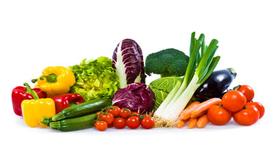 Heart disease is a leading cause of death, but diet is one of the most controllable risk factors. Small, consistent changes to what you eat can lower blood pressure, reduce cholesterol, and improve overall cardiovascular health.
For employers and workers looking at how cardiovascular risk fits with workplace health programs, see Heart Disease and Occupational Health for related resources and considerations.
Key takeaways
- Increasing fruits, vegetables, and whole grains helps lower heart disease risk.
- Reducing saturated fat, processed foods, and excess sodium has immediate benefits for cholesterol and blood pressure.
- Practical meal planning and label reading make heart-healthy eating sustainable.
How it works
Diet affects heart disease through several measurable mechanisms: fiber from plants helps lower LDL ("bad") cholesterol, potassium and low sodium help control blood pressure, and limiting saturated fats reduces arterial plaque buildup. These changes reduce strain on the heart and lower long-term cardiovascular risk.
Key dietary changes that produce measurable benefits include:
- Eat more fruits: Vitamin C and soluble fiber support vascular health; add whole fruits to snacks and meals.
- Stock up on vegetables: Leafy greens and colorful vegetables supply fiber, potassium, and antioxidants.
- Pump up whole grains: Replace refined grains with oats, brown rice, and whole-grain bread to increase daily fiber.
- Reduce saturated fat: Choose low-fat dairy, use vegetable oils instead of cream-based sauces, and limit butter.
- Eat less red meat: Favor fish, legumes, and plant-based proteins to lower saturated fat and cholesterol intake.
What it may cover (and what it may not)
A heart-healthy diet can significantly reduce risk factors such as high LDL cholesterol and elevated blood pressure, and in some cases may help reverse early atherosclerosis when combined with other healthy habits.
Diet alone does not eliminate all risk: genetics, age, and some medical conditions still influence heart disease. Regular medical screening and, when appropriate, medications remain important parts of prevention for many people.
Common mistakes to avoid
- Relying on "low-fat" processed foods that are high in sugar or sodium instead of whole foods.
- Assuming fruit juice equals whole fruit; whole fruit contains more fiber and is less concentrated in sugar.
- Cutting out all fats; unsaturated fats (olive oil, nuts, fatty fish) are heart-protective and should replace saturated fats.
- Neglecting portion sizes and overall calories, which can affect weight and metabolic health even with healthy food choices.
Questions to ask an agent
When considering health or workplace wellness benefits, ask how preventive care and chronic condition management are supported through your plan.
Suggested questions include: What screenings and counseling for heart disease prevention are covered? Does the plan include nutrition counseling or disease-management programs? How are workplace wellness initiatives supported?
Next steps
Start with one measurable change this week: add a fruit to daily meals, swap refined grains for a whole-grain option, or replace one red-meat meal with a plant-based or fish-based alternative. Track progress in small, sustainable steps.
Employers and safety managers can integrate dietary guidance into broader workplace programs; learn more about integrating health and safety programs at Workplace Health, Safety, and Risk Management.
When you are ready to review insurance options or changes to coverage, discuss them with your provider—if you prefer, you can talk to your agent about preventive-care coverage and wellness benefits.
Frequently Asked Questions
How quickly can diet changes affect heart risk?
Some measures like blood pressure and triglycerides can improve within weeks, while reductions in plaque and long-term risk take months to years of consistent healthy habits.
Are whole grains really necessary, or can I get fiber elsewhere?
Fiber can come from many sources, but whole grains provide a convenient, nutrient-rich way to boost daily soluble and insoluble fiber alongside fruits and vegetables.
Is a vegetarian diet always better for heart health?
A well-planned vegetarian diet can lower heart-disease risk, but the quality of the diet matters; processed vegetarian foods can still be high in sodium and unhealthy fats.
Should I change my diet without talking to a doctor?
Small, healthy changes are generally safe, but consult your healthcare provider before making major dietary changes if you have existing medical conditions or take medications.