Overview
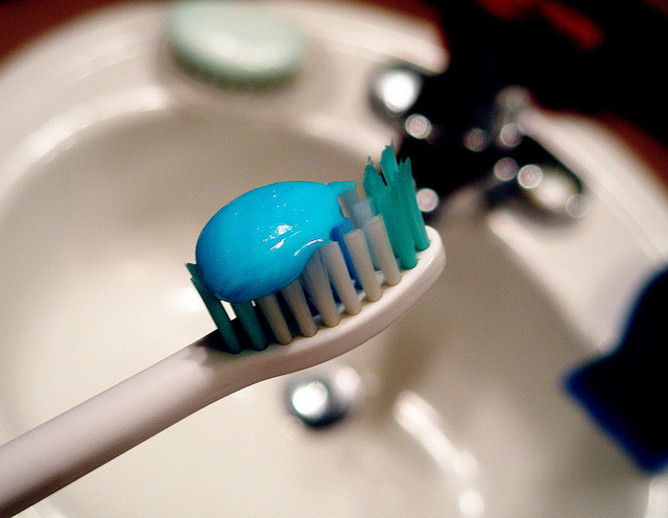 Oral health influences more than your smile: it affects energy, concentration, chronic disease risk, and interactions at work. Routine prevention and timely treatment reduce pain and infection, and they help protect overall health that supports consistent job performance.
This article explains how common dental problems can affect workplace productivity and offers practical steps employees and employers can use to address oral-health-related risks.
Key takeaways
- Gum disease is linked with systemic inflammation and can worsen cardiovascular and metabolic conditions.
- Untreated dental pain and infection reduce focus, increase absenteeism, and lower on-the-job performance.
- Preventive care, good daily hygiene, and regular dental visits preserve function, confidence, and memory-related tasks.
How it works
Chronic oral infections such as periodontitis release bacteria and inflammatory signals into the bloodstream, which can contribute to inflammation elsewhere in the body. Over time, that systemic inflammation is associated with higher risk for cardiovascular events and may complicate conditions like diabetes.
Beyond long-term disease links, acute dental pain or disrupted sleep from oral discomfort directly impairs attention, mood, and stamina during the workday. Addressing oral health prevents both the immediate performance loss and longer-term health complications that reduce productivity.
What it may cover (and what it may not)
Many employer-sponsored benefits and voluntary plans offer preventive dental care that covers routine cleanings, exams, and X-rays, plus partial coverage for fillings and extractions. Supplemental programs and discount plans may help with cosmetic or non-covered procedures.
For organizations evaluating benefit options that relate to employee wellbeing and performance, see Employee Performance, Health, Long-term Care and Business Cyber Insurance to learn how different offerings can fit broader workforce health strategies.
If you want to compare savings programs or consumer-facing plans that reduce out-of-pocket dental costs, review resources like Dental Health Discounts Benefits for typical features and limitations.
Common mistakes to avoid
Waiting for pain before seeing a dentist is common but costly: many treatable conditions become more complex and expensive when delayed. Prioritize preventive visits to catch issues early.
Relying only on cosmetic solutions while ignoring underlying gum disease undermines both health and appearance; cleanings and periodontal care address root causes. For clinics and service providers that offer combined wellness services, including infection control, consider reviewing options such as Medispa Services Communicable Disease Insurance when assessing risk management for shared clinical spaces.
Questions to ask an agent
Does the plan cover preventive cleanings, periodontal therapy, and routine X-rays without a waiting period?
Are there in-network dentists nearby, and what are the typical co-pays or coinsurance amounts for common procedures?
Does the employer offer voluntary dental benefits or discount programs that complement core medical coverage?
Next steps
Schedule routine dental exams and cleanings and maintain daily flossing and twice-daily brushing to reduce infection risk and preserve cognitive and physical performance at work.
If you are reviewing benefits for yourself or your employees, compare preventive coverage and supplemental options, and discuss any gaps with a benefits representative. If you need direct assistance, consider contacting or talk to an agent to review plan choices and network availability.
Frequently Asked Questions
Can gum disease really affect my heart?
Research links chronic gum inflammation with increased systemic inflammation, which can contribute to cardiovascular risk factors, though oral disease alone does not directly cause heart disease.
How often should I visit the dentist to protect job performance?
Most people benefit from at least one or two preventive visits per year; your dentist may recommend a personalized schedule based on your oral health and medical history.
Will treating oral infections help with diabetes control?
Treating gum disease can improve inflammation and may help with blood sugar management, so coordinated care between your dentist and primary care provider is beneficial.
What if I need urgent dental care but have limited coverage?
Contact your dental plan or employer benefits administrator to learn about emergency coverage, discount plans, or short-term options, and seek prompt care to avoid complications.