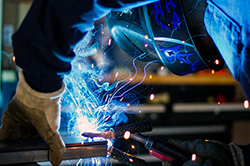
When it comes to workplace injuries, a machinist faces higher hazards than someone in a typical office job. The greater the risk, the higher machinists workers compensation insurance premiums can be. While those costs may feel burdensome to employers, skimping on coverage can leave a business exposed to large medical bills, litigation, and long-term disability costs. Find out more about how workers compensation can protect employees and keep the business from financial ruin through proper medical, wage-replacement, and liability support — see this resource for more on machinists coverage:
Machinists Workers' Compensation Insurance.
What Lies Ahead
Machinists work with precision tools, heavy machinery, sharp cutting surfaces, and sometimes hazardous substances. Fire and electrical hazards add another layer of risk, and those operational hazards demand strong controls and clear communication. Employers who emphasize safety, training, and proactive risk management reduce the chances of costly claims and downtime. Common insurance considerations for these workplaces include equipment coverage, property coverage, and commercial liability for third‑party injuries or property damage. Operators, manufacturers, contractors, and machine‑shop owners commonly seek these protections.
People will make mistakes, even highly skilled machinists. One simple slip near a lathe or press can cause burns or crush injuries that require extended care — a realistic risk scenario that shows why multi-faceted coverage matters. Encouraging workers to report hazards and step back when they’re unsure reduces severity, and clear communication channels make that possible. Workers' compensation exists to cover medical treatment, wage replacement, and certain rehabilitation costs when on‑the‑job injuries occur.
 Litigation and Governmental Policy
State laws and governmental policy shape what employers must provide and how claims are handled. In some jurisdictions the range of covered benefits and the process for disputes can shift, which in turn affects underwriting factors and premium rates. If a machinist suffers a severe burn, an employer may be responsible for immediate treatment, surgery, rehabilitation, and wage replacement — and in limited circumstances disputes about coverage or outside liability can lead to additional legal costs. Machine shops should understand exclusions, claim reporting requirements, and any employer liabilities that fall outside standard workers' compensation.
Staying informed helps you prepare for regulatory changes and possible litigation. If you manage a shop and want details tailored to your exposures, consider resources like
Machine Shop Workers Compensation for practical context on class codes and common coverages. You can also get guidance on underwriting factors such as payroll, claims history, safety programs, and the types of equipment you operate. If you’re unsure where to start, talk to your agent about your operations and controls —
talk to your agent.
Machinists workers compensation insurance typically covers medical costs, temporary and permanent disability benefits, and death benefits where required. Policies may also coordinate with other commercial protections — for example, commercial liability or equipment coverage — to close gaps. Common exclusions include injuries from willful misconduct, certain independent-contractor arrangements, or risks specifically excluded in a policy. Regular safety audits, return‑to‑work programs, and detailed payroll classification reviews help control costs and improve underwriting outcomes.
The right workers' compensation package lets an owner focus on running the business rather than managing lawsuits and long claims. Understanding the scope of coverage, exclusions, and risk management steps is the best defense against costly surprises.
Frequently Asked Questions
Who needs machinists workers compensation?
Any employer with employees performing machining, operating lathes/presses, or handling hazardous equipment should carry workers' compensation; requirements vary by state and business size.
What does workers' compensation typically cover?
Most policies cover job‑related medical treatment, partial wage replacement during recovery, and certain rehabilitation expenses. Coverage for legal defense or third‑party liability varies and may require separate policies.
How can employers reduce premiums?
Employers can lower costs by improving workplace safety, maintaining accurate payroll and job classifications, implementing return‑to‑work programs, and working with insurers on loss‑control measures.
Still have questions? Talk to a local insurance expert.