Overview
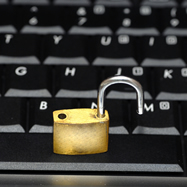
Cyberattacks against businesses of all sizes are common and can be costly. This article explains practical, low-cost steps small and mid-sized companies can take now to reduce the risk of data loss and unauthorized access.
Key takeaways
- Use multi-factor authentication and strong access controls to reduce account compromise.
- Limit network exposure by segregating sensitive systems and data from general use devices.
- Make cybersecurity an ongoing business discussion, not just an IT task.
How it works
Two-factor authentication (2FA) adds a second form of verification—often a code or authentication prompt—on top of a password, greatly lowering the chance that stolen credentials will grant an attacker access.
Segmenting systems means keeping sensitive tasks (like financial transactions) on isolated machines or networks; this reduces the number of places an attacker can reach and simplifies monitoring and response.
Keeping critical data offline or on systems that are not directly connected to the internet is a strong protective measure for the most sensitive records, but it requires careful procedures for updates, backups, and controlled access.
Regular staff training and clear policies help prevent accidental exposure from phishing or unsafe device use, and scheduled risk reviews align security with business priorities.
What it may cover (and what it may not)
Technical controls and policies reduce the chance of breaches, but they do not eliminate risk entirely; layered defenses and incident response plans are necessary to manage remaining threats.
For businesses considering insurance or formal risk-transfer options, review industry-specific coverage and policy details to understand limits and exclusions; see Small Business Security: Physical, Electronic and Cyber Insurance Considerations and Internet Security Insurance for more on typical offerings and what they may cover.
Common mistakes to avoid
- Relying on passwords alone or reusing credentials across services.
- Allowing staff to use the same devices for both general browsing and sensitive work.
- Assuming cloud providers' default settings provide complete protection without reviewing configurations and permissions.
- Failing to test backups, incident response plans, and access revocation procedures after personnel changes.
Questions to ask an agent
Ask how your current policies align with typical cyber insurance requirements, including whether you need documented incident response procedures or security audits.
Clarify what types of incidents and costs are covered, such as forensic investigation, notification, regulatory fines, business interruption, and third-party liability.
Next steps
Start with simple, high-impact actions: enable 2FA wherever available, designate and lock down one or more machines for sensitive transactions, and remove highly sensitive data from internet-connected systems unless absolutely necessary.
Schedule a short, recurring cybersecurity agenda item for staff and leadership meetings to keep risk visible and drive continuous improvement.
If you want a formal review of coverage options or need help aligning security practices with insurance requirements, consider asking your broker or talk to an agent for guidance and a policy review.
Frequently Asked Questions
What is two-factor authentication and why is it important?
Two-factor authentication requires a second verification step—such as a code or approval prompt—beyond a password, which greatly reduces the likelihood that a stolen password alone will let an attacker in.
Can keeping data offline really prevent breaches?
Keeping highly sensitive data on systems that are not connected to the internet prevents remote attackers from accessing it, though it also requires secure workflows for access, backup, and updates.
Is it enough to rely on my cloud provider's security?
Cloud providers handle many infrastructure risks, but customers remain responsible for configuration, user access, and data handling, so regular reviews and good internal controls are still necessary.
How often should a small business review its cybersecurity practices?
Businesses should review security practices at least annually and whenever there are material changes to systems, staffing, or the regulatory environment, with more frequent reviews for high-risk operations.