Wearable devices like smart watches, headphones and fitness trackers can track employee productivity, provide GPS services and give employees access to email. Wearables increase your risk, though, so use several security tips to protect your company, employees and devices.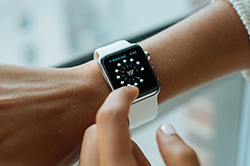
Understand data access and usage
The personal information and data stored on wearable devices can be shared or sold by manufacturers or app providers. Read the fine print on purchase agreements and privacy policies so you understand what data is collected, how it’s used, and whether it may be shared with third parties.
Secure the wireless connection
Wearables often pair with smartphones and transmit data over Wi‑Fi or Bluetooth. Limit sensitive work tasks to secure networks, use strong Wi‑Fi passwords, and consider a dedicated network or VPN for company traffic to reduce exposure.
Set a PIN
A PIN or passcode reduces the chance a thief or hacker can access data if a device is lost or stolen. Require encrypted device locks for all wearable users and consider mobile device management (MDM) features such as remote wipe and device lockdown.
Create privacy settings
Turn off unnecessary sensors such as location when not required and limit app permissions to photos, calendars, or contacts. Tightening these settings reduces the risk that personal or company information is exposed unintentionally.
Restrict access
Wearables make sharing data between devices and apps easy, which can also increase vulnerability. Limit access to confidential information on wearables—for example, allow meeting alerts but block document access on smartwatches—to control data flow and reduce risk.
Address surveillance concerns
Because many wearables include cameras, microphones and recording features, they can be misused for unauthorized surveillance. Remind employees to secure devices in public and only capture audio, video or images they are authorized to record.
Install patches and updates
Operating systems and apps on wearable devices may have security vulnerabilities that are fixed in updates. Install patches promptly and enable automatic updates when possible to keep devices protected.
Ensure employee privacy
Wearables can continuously monitor behavior, activity and location. Be transparent about what data you collect, how it will be used, and how you will protect employee privacy to maintain trust and comply with applicable policies.
Write a BYOD policy
If you provide wearables or allow employees to bring their own devices (BYOD), create a clear policy that outlines acceptable use, required security measures, and any restrictions. The policy should explain how company data will be protected and what happens if a device is lost or compromised.
Wearable devices can benefit your company when managed properly. Also, update your cybersecurity insurance and consider policies such as Internet Security Insurance or a Security Audit Insurance plan to help protect your company, employees and wearable devices. If you need help assessing options, talk to an agent.
Frequently Asked Questions
Can wearable devices be covered by cyber insurance?
Some cyber insurance policies can help cover costs from incidents involving wearables, especially if they lead to a data breach, but coverage varies by policy and insurer.
What should I do if an employee loses a wearable device with company data?
Immediately try to remotely lock or wipe the device, change related account passwords, and follow your incident response plan to assess any potential data exposure.
How can employers protect employee privacy when using wearables?
Be transparent about data collection, limit monitoring to work-related needs, anonymize data when possible, and secure stored information with strong access controls.
Are location services on wearables safe for workplace use?
Location services can be useful but should be limited to job-related needs and enabled only when necessary to reduce privacy risks.