Overview
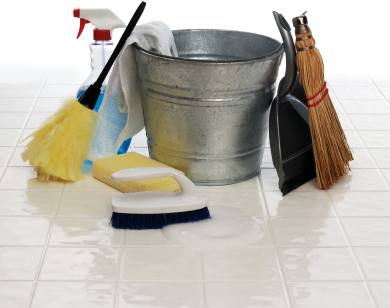
Spring cleaning refreshes your living space and helps prevent small issues from becoming costly repairs. A short, focused set of tasks—cleaning surfaces, treating fabrics, decluttering, and checking systems—improves safety, indoor air quality, and the lifespan of home components.
This guide summarizes practical steps, common mistakes to avoid, and the kinds of insurance questions homeowners often ask after performing maintenance or hiring contractors.
Key takeaways
- Target high-traffic surfaces, upholstery, and hidden areas where dust and moisture build up.
- Routine maintenance reduces damage risk but does not automatically change insurance coverage.
- Document repairs and contractor work, and ask your agent how maintenance affects your policy.
How it works
Start with a practical plan: move furniture, dust from top to bottom, and use appropriate cleaners for each surface to avoid damage. For example, a mild vinegar solution can reduce streaks on windows while a soft cloth and manufacturer-recommended products protect painted walls and wood finishes.
Deep-clean carpets and upholstery on a schedule based on use and household needs; heavy foot traffic or pets often justify more frequent cleaning. For professional services and related risk considerations, consider resources such as Street Cleaning Insurance to understand contractor-related exposure and liability when work extends beyond routine household chores.
Spring cleaning checklist
-
Wash walls, windows and baseboards: move furniture away from walls, wipe surfaces with an appropriate cloth or cleaner, and use small tools to reach crevices.
-
Scrub or deep-clean carpets: remove embedded soil and odors with a rented cleaner or professional service to refresh fibers and extend carpet life.
-
Care for furniture: dust top-to-bottom, spot-treat upholstery, flip cushions, and make minor repairs before problems worsen.
-
Reduce clutter: donate or recycle items you no longer use and schedule bulk pickup for disposables to decrease pest attraction and improve safety.
What it may cover (and what it may not)
Regular cleaning and maintenance reduce the likelihood of damage that leads to insurance claims, but routine upkeep itself is usually not a covered activity. Coverage typically applies when sudden, accidental damage occurs—such as a burst pipe—rather than normal wear and tear.
If you hire contractors for deep cleaning, repairs, or appliance service, document any contracts and receipts. Review how contractor liability and your home policy interact, and when necessary, talk to your agent about whether additional or different coverage is appropriate.
Common mistakes to avoid
- Avoid over-wetting upholstery or carpets; excess moisture can cause mold and structural issues.
- Don’t use abrasive cleaners on delicate finishes—test a hidden area first before treating a visible surface.
- Skipping documentation: always keep records of professional services, repairs, and receipts in case you need them for a claim.
Questions to ask an agent
Ask whether routine maintenance impacts your policy and which types of damage are covered versus considered wear and tear. Clarify whether contractors you hire need specific insurance or certificates of insurance and what evidence you should keep if work is done at your home.
If you perform or arrange specialized cleaning—such as upholstery restoration or appliance servicing—ask how those activities affect liability and property coverage limits.
Next steps
Plan a seasonal checklist, prioritize tasks that prevent moisture and pest problems, and set reminders for annual deep-cleaning activities. For guidance on furniture care and upholstery cleaning, consult resources like Furniture Cleaning / Upholstery to learn about recommended practices and related coverage considerations.
When hiring outside help, keep records and consider contractor screening. For safety inspections and contractor-related questions, the following resource may be helpful: Safety Inspections, Spring Cleaning, Vehicle Care & Contractor Insurance.
For additional context about appliances and distribution risks that can intersect with maintenance activities, see Household Appliance Distributors Insurance.