Overview
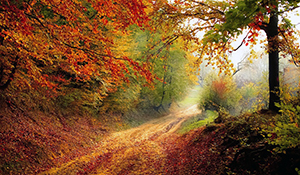 Maintaining commercial landscaping in the fall protects plant health, improves curb appeal, and reduces safety risks over winter. Routine tasks—mowing, leaf removal, pruning, pest control and preparing irrigation—help turf and planting beds survive cold months and recover quickly in spring. This guide summarizes practical fall steps and the decisions property managers should make before winter.
Key takeaways
- Regular fall maintenance extends plant and lawn health and reduces winter damage.
- Address drainage, pests and irrigation now to avoid costly repairs in cold weather.
- Document risks and schedule snow/ice removal to protect visitors and assets.
How it works
Fall landscaping is about transitioning plants and systems from active growth to dormancy. Shorter mowing, nutrient-rich fertilizer applications, and mulch or burlap help roots and woody plants store energy and survive freezing temperatures.
Addressing debris, trimming weak branches, and insulating root zones lowers winter stress and the chance of storm damage. For properties with irrigation systems, draining lines and winterizing controllers prevents freeze damage and costly pipe repairs.
What it may cover (and what it may not)
Typical fall maintenance covers mowing, leaf removal, pruning, mulching, targeted fertilization, and pest treatments. These actions protect plant health, maintain appearance, and reduce hazards like slippery sidewalks and blocked drains.
Not all maintenance tasks are the same as insurance coverage. If you need protection for landscaping loss, consider options like Tree and landscaping insurance that can supplement general property policies for trees, shrubs and ornamental features.
Common mistakes to avoid
- Raking too late or leaving leaf layers that smother grass and encourage disease.
- Applying the wrong fertilizer—fall blends should emphasize phosphorus and potassium for root health rather than high nitrogen.
- Neglecting to winterize irrigation, which can lead to burst pipes and frozen valves.
- Overlooking hardscape repairs; small cracks in parking areas or sidewalks can worsen with freeze–thaw cycles.
Questions to ask an agent
When reviewing risk transfer or coverage for outdoor assets, ask about limits and exclusions for plant, tree and hardscape damage. If you manage lawn care services or contract landscaping vendors, inquire whether your policies or vendors carry specific coverage for that work, such as Lawn Care Business Insurance.
Also confirm whether seasonal activities—snow removal, hazardous tree trimming, or pest control—affect your liability exposure and whether you should update limits or endorsements before winter.
Next steps
Create a written fall maintenance checklist with timelines for mowing, leaf cleanup, pruning, mulch application, irrigation winterization, and pest inspections. Assign responsibilities to staff or hire licensed contractors for specialized tasks like tree work and pest treatment.
Schedule a storm-risk audit to identify overhanging limbs, poorly draining areas, and locations that could obstruct snow removal. If you want a policy review or to start a quote process, talk to your agent.
Frequently Asked Questions
When should I apply fall fertilizer?
Apply fertilizer in early to mid-fall while soil is still warm so roots can take up nutrients before dormancy; focus on phosphorus and potassium rather than high nitrogen.
How often should I prune shrubs and trees before winter?
Prune to remove dead or damaged wood and to reduce weak limbs; major pruning is best done before heavy freezes, but avoid heavy cuts on species that bleed sap in late fall.
Do I need to drain irrigation systems every year?
Yes—draining and winterizing irrigation lines helps prevent freeze damage and costly pipe failures, so it should be done annually in climates with freezing temperatures.