Fall’s the perfect time to schedule indoor home repairs or remodeling projects for your construction business. Some projects require scaffolding; here’s what you need to know about using scaffolding safely indoors. See Rigging and Scaffolding Service Insurance for coverage options.

Undergo Training
Learn how scaffolds are designed and how to operate them properly, including how to get on and off the scaffolding, prevent falls and electrocutions, and handle scaffolding emergencies.
Participate in retraining when you change scaffolding types or when workplace conditions change.
Check Operator Licensure
Everyone who operates scaffolding should be licensed where required. Only allow licensed operators to use the scaffolding to improve worksite safety.
Secure the Platform
Attach the scaffolding to the building or brace it securely. Always use braces supplied by the manufacturer rather than substituting other parts.
Use Guardrails
Scaffolding that sits more than 10 feet off the ground must have guardrails on at least three sides. Guardrails supplement the fall protection gear you also wear.
Avoid Unsafe Height Boosters
Never use boxes, ladders, stilts, or other contraptions to add height to your scaffold. Instead, raise the platform to the desired height.
Inspect the Scaffolding
Before you use the scaffolding for the first time and at the beginning of every shift, inspect its structural integrity. Perform inspections throughout the day, too, to ensure the structure remains functional and safe.
Never use a scaffold that appears damaged, tampered with, or compromised in any way.
Understand Load Capacity
Each scaffolding setup supports a limited number of workers and a maximum equipment weight. Follow the manufacturer's guidelines to avoid overloading the scaffold and compromising safety.
Be Aware of Your Surroundings
Always know where co-workers are standing and the details of the project. Proper placement of the scaffold reduces strain and helps prevent injuries to others on site.
Wear Protection
Always wear protective gear. In addition to fall-prevention equipment, wear head protection and non-slip footwear.
Remain Organized
Because space on the scaffold is limited, take only essential tools with you. Pick up tools and remove trash during your shift to reduce trip hazards, and always empty the scaffold before you leave for the day.
Purchase Adequate Insurance
Contractor and liability insurance won’t prevent accidents, but the right coverage can help pay for medical treatment and to replace or repair tools after an incident. Review your policy and update coverage as needed, and see Scaffolding Risks Insurance and Scaffold Safety Plan resources for more information.
With these safety tips, you protect yourself as you work on home projects this fall. For additional information on managing your construction risks, talk to your agent.
Preparing For Home Remodel Inspections
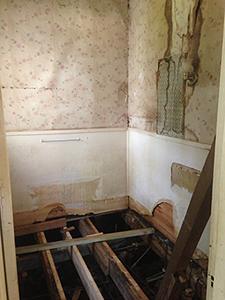
Understand What a Home Inspector Looks For
Home inspectors ensure that remodeling projects follow applicable local building codes and regulations. During an inspection, the inspector will check the home’s foundation, electrical wiring, plumbing, and other completed work.
When to Plan Home Inspections
Schedule remodeling work in phases and apply for required permits as you go. Scheduling inspections at each phase helps ensure the work meets local codes and keeps the project on track.
Include Inspections in Your Contract
Include inspection milestones in your contract to avoid costly rework and disputes. The contract should state when inspectors will check work and what happens if a phase fails inspection.
Consider tying payments to passed inspections so you’re paid for work that meets code before proceeding to the next phase.
What Happens During an Inspection
An inspector visits the worksite and evaluates progress against applicable codes. The inspector will issue a pass or fail; if work fails, you’ll get a list of items to correct before the next inspection.
After the Inspection
The inspector should file completed permits with the local building department. Obtain copies of approved inspection reports and give them to the homeowner for their records.
Hire Quality Inspectors
Use licensed inspectors who are familiar with remodeling projects. You can interview candidates or hire one based on recommendations from other contractors.
Home inspections verify that work was done properly; use these tips to run a safer, more reliable construction business.
Frequently Asked Questions
Do indoor scaffolds need guardrails?
Yes. Scaffolds above about 10 feet typically require guardrails on at least three sides in addition to personal fall protection.
How often should scaffolding be inspected?
Inspect scaffolding before first use, at the start of each shift, and periodically throughout the day or after any change to the setup.
Can workers use ladders or boxes to gain height on a scaffold?
No. Do not use ladders, boxes, or stilts on a scaffold; raise the platform to the proper height instead.
What insurance should contractors consider for scaffolding work?
Contractors should review general liability and contractor-specific coverage and consult an insurance professional to ensure adequate protection for tools and injuries.