Overview
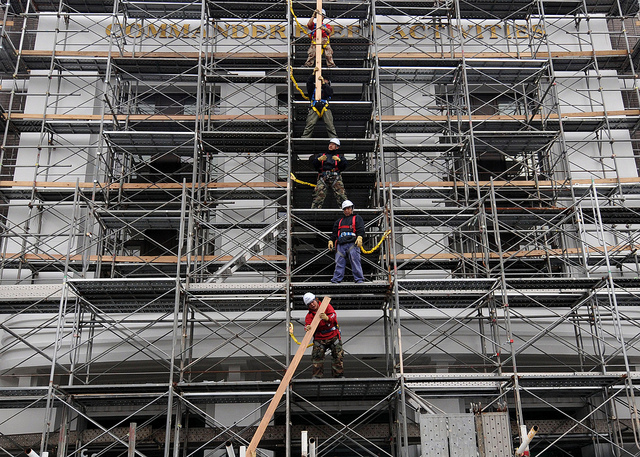 Scaffolding is essential for many construction tasks but can create fall and dropped-object risks if not managed. A clear safety plan, routine inspections, and worker training help reduce injuries and interruptions on site. This article summarizes practical safety steps and how those steps can affect site operations and insurance considerations.
Key takeaways
- Organize tools and materials to reduce the chance of falls and dropped objects.
- Routine inspection and worker training may prevent scaffold instability and accidents.
- Plan moves and work near hazards like power lines in advance to lower risk.
- Insurance and risk-management measures are influenced by documented safety practices.
How it works
Scaffold safety starts with a written plan that defines inspections, guardrails, anchoring, and worker responsibilities. Regular checks for platform stability, secure footings, and unobstructed walkways help identify hazards before they cause an incident.
Weather and site conditions affect scaffolding performance; guidance for cold-weather or wet conditions may change staging, tie-off practices, and slip-resistance choices. For condition-specific guidance, review resources such as Safety Guidelines for Using Scaffolding in Winter Projects.
Training in setup, load limits, and proper use of personal protective equipment (PPE) ensures workers understand their role in fall protection and scaffold inspection. Good training programs also document compliance and can support insurance discussions.
What it may cover (and what it may not)
A scaffold safety program may include hazard assessment, guardrails, toe boards, fall-arrest anchors, PPE, and scheduled inspections. It may also cover written procedures for moving scaffolding and protocols when working near overhead hazards like power lines.
Programs may not replace site-specific engineering assessments for complex rigs or provide legal advice about regulatory compliance. For a focused approach to designing and maintaining scaffold plans, see guidance on Scaffold Safety Plan.
Insurance policies may consider documented safety practices and training when evaluating risk; however, coverage details and limits are policy-specific and may vary by carrier.
Common mistakes to avoid
Rushing setup or ignoring manufacturer load limits increases the chance of collapse and costly injuries. Slowing the pace to follow safe procedures often prevents accidents and downtime.
Poor housekeeping on platforms—tools and materials left unsecured—creates fall and struck-by hazards. Organize tool placement and use tool lanyards or storage to control dropped objects.
Skipping inspections after moves or weather events is a frequent oversight. Establish a checklist and inspection schedule so changes to the site or scaffold configuration are caught early.
Failing to refresh training as the job evolves can leave workers unfamiliar with updated procedures; refresher training may reduce complacency and reinforce fall protection practices. For an overview of common field risks and controls, consider reading materials about Scaffolding Safety in Construction.
Questions to ask an agent
When reviewing coverage, you may want to ask about how documented safety programs and training affect premiums, limits, and endorsements. Consider whether your policy addresses equipment, liability for falls, and workers compensation interaction.
- Ask an agent how scaffold-related incidents are handled under your current policy and whether specific endorsements are recommended.
- Ask about coverage for rented or leased scaffolding and for third-party damage from dropped objects.
- Ask what documentation the insurer prefers to verify training and inspections after a claim.
Next steps
Start by creating or updating a scaffold safety checklist that covers setup, inspection, PPE, and moving procedures. Include a plan for working near electrical hazards and for managing weather-related risks.
Schedule periodic training and keep records of inspections and corrective actions; documented programs may support risk management and insurance conversations. If you need a tailored review of your jobsite safety programs, talk to your agent or use the quote form to request guidance: ask an agent.
Frequently Asked Questions
How often should scaffolding be inspected?
Scaffolding should be inspected before each shift, after any change in configuration, and after exposure to conditions that could affect stability, such as storms.
Does training reduce insurance risk?
Documented training and inspection programs may reduce risk by preventing incidents and can be favorable in insurance evaluations, but coverage terms are policy-specific.
What controls help prevent dropped tools?
Use tool lanyards, secure storage, toe boards, and good housekeeping to reduce the risk of tools falling from scaffolding.