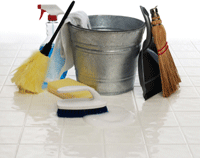
Mid March heralds the first week of spring, which makes this a good time to think about spring cleaning around your workplace.
A thorough cleaning can enhance safety by eliminating hazards. Welcome the season by taking a careful look at occasional and infrequent housekeeping tasks.
Spring cleaning tasks
- Trash. Remove anything not in use that has piled up on the site, such as broken pallets on the loading dock or construction debris on the back lot.
- Equipment. Dispose of or repair worn or damaged equipment. Even tagged-out items like frayed slings or wobbly ladders can be used accidentally and cause injury if they remain accessible.
- Chemicals. Old or unused chemicals create hazards because they may be flammable, toxic, or become unstable as they deteriorate. Dispose of materials that are past their use-by dates or have missing or illegible labels.
- Clean and repair. Address infrequent maintenance needs that improve worker safety and health.
Maintenance tasks
- Heating, ventilation, and air conditioning (HVAC) systems. Proper maintenance controls mold, bacteria, allergens, and other contaminants and is associated with fewer respiratory symptoms and allergies among building occupants.
- Signs and labels. Replace damaged or illegible signs, clean grimy signs, and re-hang signs knocked askew so warnings and directions remain visible and effective.
- Offices. Office phones, keyboards, mice, and desktops can harbor large amounts of infectious bacteria, so encourage daily disinfecting of shared surfaces and schedule more thorough cleaning periodically.
For work that requires specialized cleaning or confined-space services, review Tank and Pipe Cleaning Insurance to understand industry-specific considerations.
If your operations include outdoor or municipal cleanup, consider guidance related to Street Cleaning Insurance and the unique risks that service vehicles and public work sites present.
Remember, the cleaner your workplace, the safer your workers. Our risk management professionals would be happy to chat further—just talk to an agent.
Frequently Asked Questions
How often should workplaces perform a deep cleaning?
Perform deep cleaning at least seasonally and increase frequency for high-use or high-risk areas; daily disinfecting of shared surfaces is recommended.
What should I do with old or unlabeled chemicals found during cleaning?
Isolate them, consult your hazardous waste procedures, and arrange disposal through a licensed hazardous-waste contractor if you cannot identify the contents safely.
Who is responsible for replacing damaged safety signs and labels?
Employers should ensure signs and labels are maintained and replaced as needed, and supervisors should report damaged or missing signage promptly.