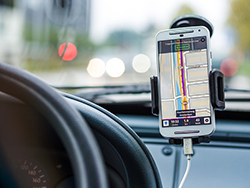
Also known as carpooling, ride sharing occurs when two or more commuters share a private vehicle on their drive to work. It gives you several benefits, so learn more about why you should ride share and tips to do it successfully.
Why You Should Participate in Ride Sharing
Ride sharing is actually very beneficial.
Benefits
- Save money. With less wear on your vehicle, your maintenance costs will decrease. You'll also pay less for gas, tolls, parking and other expenses when you share these costs. Pay less for your auto insurance, too, because you drive fewer miles each year and avoid accidents.
- Reduce stress. When you no longer have to deal with traffic, congestion and other commuting stress, you can arrive to work less frazzled and stressed.
- Reduce pollution. Do your part to reduce emissions and protect the environment when you share a ride to work.
- Save time. Ride sharing gives you access to the high-occupancy vehicle (HOV) lane. It's usually less crowded and can help you arrive to work earlier and save time.
- Create safer roads. With fewer cars on the road, accident risk decreases.
- Build friendships as you chat or discuss current events on the way to work.
Ride Sharing Options and Etiquette
There are several ride sharing options for your work commute. You can ask a co-worker, neighbor, family member or friend who lives nearby, drives near your job site and works similar hours to share rides with you.
If you can't find anyone nearby who wants to ride share, use a ride sharing website to find a commuting partner. For related coverage topics, see Carriage Rides Insurance.
You can also pay a bit more for a ride sharing service like Uber or Lyft if you only want to ride share a few times a week or less often.
Remember that you can customize your ride sharing experience to meet your needs. Maybe you ride partway with your neighbor and walk the rest of the way or carpool with a co-worker several times a month.
Once you do agree on ride sharing, decide who's driving. You may each take turns driving your personal cars or provide money for gas, tolls and other expenses to the regular driver. If you have questions about coverage, review options such as Pony Ride Insurance.
The meeting place can be your home or a central location.
If you have questions, ask an agent.
Etiquette
- Arrive on time.
- Create a schedule to accommodate vacation days or holidays.
- Keep the car clean.
- Agree on off-limit conversation topics or radio stations.
- Use deodorant but not cologne or perfume.
- Pay your share as agreed upon.
Ride sharing for work is highly beneficial. Check into this option today as you save time, money and the environment.
Frequently Asked Questions
What is the difference between ride sharing and carpooling?
They are often used interchangeably; both involve multiple people sharing a private vehicle for a commute, though some people use "ride sharing" to include app-based services while "carpooling" usually refers to informal shared trips.
How should commuting costs be divided?
Groups typically agree on a fair split for fuel, tolls and parking before starting the carpool, either by rotating drivers or pooling money each week.
Does my personal auto insurance cover ride sharing?
Coverage can vary by policy and by whether you are a driver or passenger; check your own policy and speak with your insurer to understand what is covered.
What are simple rules to keep a carpool running smoothly?
Set a clear schedule, define pickup locations, agree on acceptable behavior and communication, and stick to agreed cost-sharing arrangements.