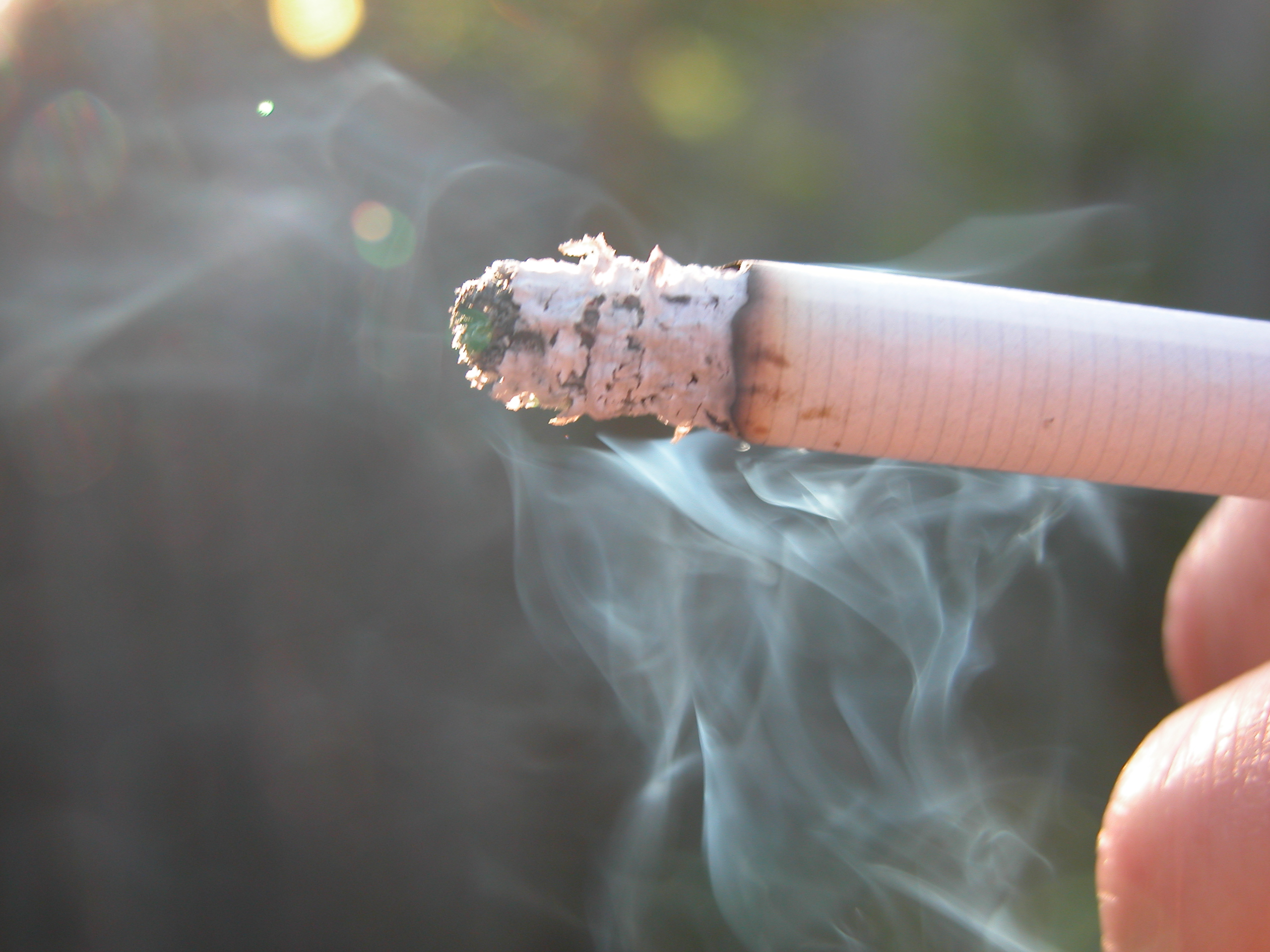
 When you smoke, your risk of developing lung, throat and mouth cancers as well as heart disease, stroke and diabetes increases. You also may experience shortness of breath and increased life insurance premiums.
Up to 480,000 people die each year from the effects of smoking, but quitting is possible. Try four holistic methods as you work to improve your health and reduce long-term costs; quitting can also affect your ability to qualify for and afford certain policies—see Quitting Smoking and Financial Security for more on insurance considerations.
Ways to quit smoking
-
Exercise
Sweat out the buildup of nicotine, relieve mild depression, and reduce boredom by adding regular physical activity. Whether you run, swim, walk, or try another sport, consistent exercise can increase your odds of quitting and help manage cravings.
-
Limes
In addition to flavoring food and drinks, limes are a low-calorie option that can distract from cravings. Cut a lime into quarters and chew a small piece, skin and all, when you feel the urge to smoke; the flavor and chewing action can reduce the immediate desire for a cigarette.
-
Self-massage
Professional massage relaxes body and mind, but you can use simple self-massage techniques several times a day to ease nicotine cravings. Use your right thumb with light pressure to draw a circle in the palm of your left hand, switch hands frequently, massage each finger gently from base to tip, and rub earlobes in small circles.
-
Meditate
Reduce tension, stress, and anxiety that accompany nicotine withdrawal by practicing meditation. Lie on your back, breathe deeply from the abdomen, envision a cigarette-free life, and aim for about 10–15 minutes to calm the body and mind.
These holistic methods are practical complements to other quitting strategies. For step-by-step guidance and discussions of costs and options, see Quit Smoking: Reasons, Costs, and Practical Tips and for general lifestyle supports consult Health and Wellness Practices.
If you want help reviewing how quitting might affect your coverage options, talk to an agent to discuss policy details and next steps.
Frequently Asked Questions
How soon do health benefits start after quitting smoking?
Some benefits begin within days (for example, heart rate and blood pressure improvements), while longer-term risks for diseases decline over months and years; exact timelines vary by individual.
Can chewing lime really reduce cigarette cravings?
Chewing something sour like lime can provide a strong sensory distraction and oral satisfaction that helps some people resist a cigarette craving in the moment.
How long should I meditate to help with withdrawal?
Short daily sessions of 10–15 minutes can be effective for reducing stress and managing cravings; consistency is more important than length in early stages.
Are simple self-massage techniques effective for nicotine cravings?
Yes—short, repeatable techniques like rubbing the palms or earlobes can be calming and interrupt the habit loop that leads to smoking.
Will quitting smoking lower my life insurance premiums?
Quitting can improve insurability and may lower premiums over time, but this depends on the insurer's rules and your overall health profile.