Overview
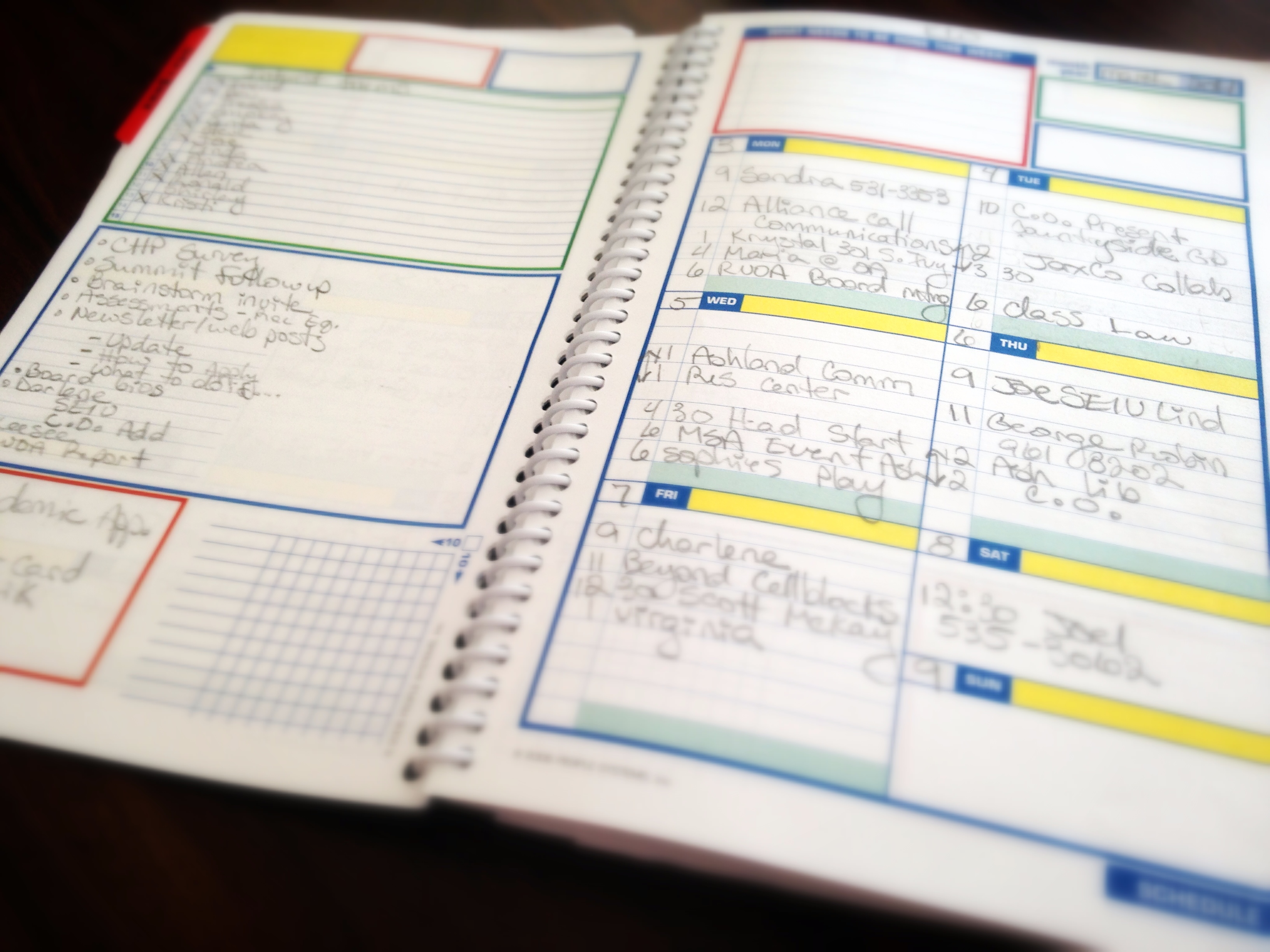 Sticking to a realistic schedule improves safety, quality, and client confidence on jobsites. Planning time buffers, clear communication, and practical expectations reduce the pressure that leads to shortcuts and mistakes.
Key takeaways
- Build schedules with built-in buffers for weather, repairs, and other delays.
- Discuss realistic expectations openly with clients and crews before work begins.
- Prioritize safety and quality over speed to avoid costly accidents and rework.
- Use insurance and contract language to protect the team and the business.
How it works
Effective scheduling starts at the contract stage. Break larger projects into milestones, assign owners for each task, and identify critical-path activities that could delay the whole job if they fall behind.
Build contingency time into the plan for common disruptions such as equipment failure, regulatory inspections, or contagious illnesses among crew members. When projects involve inspections or site safety oversight, consider Safety Inspector Insurance to help manage the unique risks of that role.
Communicate the schedule and its assumptions to everyone involved. When teams understand that some delays are not due to laziness but are built into a realistic timeline, they are less likely to cut corners under pressure.
What it may cover (and what it may not)
Insurance can help cover liability from on-site accidents, property damage, and certain professional exposures when planning or coordination errors contribute to losses. Coverage specifics vary by policy, so review limits, exclusions, and endorsements carefully.
For businesses that perform or coordinate construction and trade work, review resources such as Insurance and Liability for Construction and Trade Contractors and Residential Construction Insurance to understand common liability scenarios and typical policy features. Note that insurance generally does not cover intentionally unsafe practices, fines for regulatory violations, or losses excluded by the policy.
Common mistakes to avoid
- Underestimating time needs to win bids — this creates constant time pressure and safety risks.
- Failing to document agreed schedule changes and unexpected delays in writing.
- Assuming all subcontractors share the same understanding of deadlines and responsibilities.
Questions to ask an agent
When discussing coverage, ask which incidents are excluded and whether policy limits are adequate for the size and type of projects you manage. Request examples of claims similar to your work to see how coverage responded.
Also ask how scheduling risks are treated by insurers and whether endorsements or additional policies better match your operations. If you want personalized guidance, talk to an agent.
Next steps
Create a standard scheduling checklist that includes contingency time, responsible parties, communication checkpoints, and documentation requirements. Share that checklist during contract negotiations to set transparent expectations.
Train supervisors to recognize when pressure leads to unsafe shortcuts and empower them to pause work if necessary. Regularly review incidents and near-misses to adjust future schedules and reduce repeat problems.
Frequently Asked Questions
How much extra time should I add to a schedule?
Add contingency time based on project complexity, site conditions, and historical delays—commonly 10–20% of the estimated schedule for routine jobs, with more for complex or weather-sensitive work.
Can insurers deny a claim if work was rushed?
Insurers may deny claims if a loss resulted from intentional unsafe practices or violations of policy terms, so maintaining documented safety procedures and realistic schedules helps preserve coverage.
What should be included when communicating schedule changes?
Document the reason for the change, the new timeline, impacted tasks, and any cost or resource adjustments, and circulate the update to all stakeholders promptly.