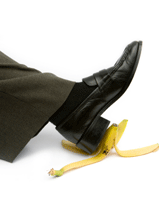
Did you know that the average person takes about 18,000 steps every day? Most of us don't stop to realize how just one misstep can cause a person to lose his or her balance, which can lead to a fall that might cause injury or possibly even death.
In fact, each year only car crashes cause more accidental deaths than falls; annually in the U.S., approximately 15,000 people lose their lives as a result of a fall. To save lives and avoid injuries, prevention of falls is critical. Property owners may also want to review Strip Centers Insurance for location-specific risk guidance.
Falls can be the result of either slips or trips. A slip happens when there is too little traction between the surface and your shoes, while a trip happens when your foot collides with an object and you lose your balance.
Typical hazards that cause slips include:
- Occasional spills
- Weather hazards
- Loose, unanchored rugs or mats
- Flooring or other walking surfaces that do not have the same degree of traction in all areas
Common causes of tripping are:
- Obstructed view
- Insufficient lighting
- Clutter
- Wrinkled or buckling carpet
- Uncovered cables or wires
- Bottom drawers not being closed
- Uneven walking surfaces
How to Prevent Slips and Trips
Good housekeeping is the single most important way to prevent slips and trips.
Good housekeeping includes:
- Reporting any spill to those responsible for cleaning it up
- Cleaning all spills as soon as possible
- Marking spills and wet areas with hazard warning signs to route traffic around them
- Sweeping debris from floors
- Removing obstacles from aisles and walkways, and keeping them free of clutter
- Securing mats, rugs and carpets that do not lay flat
- Always closing file cabinet or storage drawers
- Covering cables that cross walkways
- Keeping working areas and walkways well lit
- Replacing burned out light bulbs and faulty switches
Flooring. In some instances, it is recommended that flooring be changed to make slips less likely. Recoating or replacing floors, installing mats, using pressure-sensitive abrasive strips or coating, and metal or synthetic decking are ways that the slipperiness of floors can be reduced.
Footwear. In workplaces where floors may be oily or wet or where workers spend considerable time outdoors, fall prevention should include proper footwear for the conditions.
Training. Cautious behavior in the presence of slip and fall hazards can prevent numerous accidents. Businesses that store or handle inventory can also review Off Course and Storage Program for storage-related safety information.
Reduce the risk of slipping on wet flooring by:
- Taking your time and paying attention to where you are going
- Adjusting your stride to a pace that is suitable for the walking surface
- Walking with the feet pointed slightly outward
- Making wide turns at corners
You can reduce the risk of tripping by:
- Always using installed light sources that provide sufficient light for your tasks
- Using a flashlight if you enter a dark room where there is no light
- Ensuring that things you are carrying or pushing do not prevent you from seeing any obstructions or spills
Many of the measures suggested above may seem like common sense, but people often get distracted and ignore safety guidelines.
That's why it's important to have ongoing training to remind workers of the importance of abiding by proper safety codes and avoiding slips and falls at all costs; see Workplace Safety and Health Programs for additional guidance on training and safety planning.
For more practical tips and workplace-focused guidance, see Workplace Safety and Injury Prevention.
Frequently Asked Questions
What is the difference between a slip and a trip?
A slip is caused by too little traction between footwear and the walking surface, while a trip happens when the foot strikes an obstacle and balance is lost.
What immediate steps should I take after a spill occurs?
Report the spill, mark the area with a warning sign if possible, and clean it up promptly or notify the person responsible for cleaning.
How can lighting reduce trip hazards?
Sufficient lighting improves visibility of walkways and obstacles, which lowers the chance of tripping over unseen hazards.
Are there workplace programs that help prevent slips and falls?
Yes—organized safety and training programs focused on housekeeping, footwear, and hazard awareness can significantly reduce incidents.