Overview
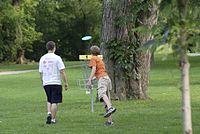 Outdoor team-building events—like an egg-and-spoon race, an obstacle course, or a round of disc golf—are simple, low-cost ways to improve communication, morale, and collaboration among employees. These activities work best when organized with clear roles, appropriate pacing for different fitness levels, and basic safety preparations.
Key takeaways
- Plan inclusive activities that match employees' physical abilities and comfort levels.
- Prepare safety measures and basic first aid to reduce the risk of injury or property damage.
- Consider workplace policies and insurance implications before hosting an event.
How it works
Begin by choosing activities that encourage teamwork rather than competition. For example, have teams cheer for teammates during an egg-and-spoon relay, design mixed-skill obstacle courses, or add conversation prompts at each disc golf hole to spark cross-department dialogue.
Assign a small planning team to map the schedule, set time limits, and list required materials. Communicate the plan to employees in advance, including clothing recommendations, arrival times, and where organizers will keep first-aid supplies. For additional guidance on organizing team activities and workplace safety, see Teamwork, Team Building, Workplace Safety & Cybersecurity Overview.
What it may cover (and what it may not)
Typical workplace policies or insurance may cover accidental injuries sustained during approved company events, limited property damage at rented venues, and liability for third-party injuries if the event is properly supervised. Coverage varies by employer and policy.
Some items often excluded are intentional misconduct, injuries from unapproved high-risk activities, and claims arising when employees are not participating in an authorized event. Before planning, review event scope and risk with others in your organization or consult resources such as Workplace Health, Exercise Tips, and Financial Considerations to understand general health and financial factors. If your event resembles organized amateur play, review Amateur Teams and Leagues Insurance for coverage examples.
Common mistakes to avoid
- Skipping a safety briefing or failing to account for varying fitness and mobility levels.
- Not securing permissions for use of private or public property and overlooking local rules or permits.
- Neglecting to document the event plan, emergency contacts, and the location of first-aid kits.
Questions to ask an agent
When planning a company event, ask your insurance representative about coverage limits for group activities, whether volunteers are covered, and if additional event insurance or a rider is recommended. Also verify property and liability protection for rented equipment and off-site locations.
For guidance on balancing event logistics and building security, consider reviewing materials like Building Security and Team Building Strategies to help align safety planning with operational needs.
Next steps
Create a short checklist: select activities, set a date, confirm location and permissions, assign supervisors, and prepare a basic first-aid kit. When confirming location needs, consider examples of building or property coverage such as Bakery Building or Structure — Property Coverage to guide permit and venue decisions.
Run a brief safety and expectations meeting at the start of the event and collect emergency contact information beforehand. If you want help understanding potential insurance implications or need a quote for event-related coverage, ask an agent who can review your organization’s policies and recommend next steps.
Frequently Asked Questions
Do employees need to sign a waiver before participating?
Waivers can help clarify assumptions about risk but do not guarantee legal protection; consult your HR or legal team before using one.
What basic safety equipment should be available for outdoor games?
At minimum, have a stocked first-aid kit, water stations, sunscreen, and a plan to contact emergency services if needed.
Are off-site activities covered by standard employer liability insurance?
Coverage varies by policy and may depend on whether the event is approved by the employer and properly supervised.
How can organizers make activities inclusive for employees with limited mobility?
Choose adaptable tasks, offer alternatives, and structure teams so everyone can contribute meaningfully without physical strain.